Category: News

  • Nvidia Invests $4 Million in Taiwanese AI Startup MetAI

    Nvidia Invests $4 Million in Taiwanese AI Startup MetAI

    In a major announcement, Nvidia has revealed its first-ever $4 million investment in a Taiwanese startup, MetAI. The company specializes in creating AI-powered digital twins, marking a milestone in the tech giant’s efforts to support innovation in industrial AI applications.

    MetAI’s Groundbreaking Technology

    MetAI has developed a unique model that uses AI and 3D technology to quickly produce “SimReady” digital twins. These are simulation-ready environments capable of converting CAD files into working 3D models in just minutes. This innovation is a game-changer for industries that rely on simulations to train autonomous systems like robots.

    Details of the Investment

    Nvidia led a $4 million seed funding round for MetAI, joined by investors such as Kenmec Mechanical Engineering, Solomon Technology, SparkLabs Taiwan, Addin Ventures, and Upstream Ventures. The funds will help MetAI enhance its research, speed up product development, and bring its solutions to market faster.

    A Strategic Partnership

    This partnership with Nvidia goes beyond funding. MetAI is integrating its technology with Nvidia’s Omniverse platform, a move expected to redefine industrial digital twins. Nico Caprez, Nvidia’s Corporate Development Manager, praised MetAI’s work, saying it could set a new standard for industries like manufacturing and robotics.

    Founders and Their Vision

    MetAI was founded by Renton Hsu, Yu, and Dave Liu, each bringing unique expertise. Hsu, the CTO, is an award-winning AI expert, while Yu, the CEO, has led digital transformation projects. Liu, the COO, has a strong background in entrepreneurship and investment.

    Future Plans

    MetAI is already making waves in the market. With Nvidia’s support, the company plans to expand operations, open a U.S. office, and possibly move its headquarters to the U.S. by late 2025. Their technology has demonstrated impressive results, reducing simulation times for warehouse digital twins from thousands of hours to just three minutes.

    Industry Buzz

    The tech world is abuzz with this announcement, with many highlighting MetAI’s potential to revolutionize automation and AI training. Experts believe this investment could reshape manufacturing, logistics, and other industries by enabling faster and smarter AI simulations.

    This partnership signals the rising importance of AI-powered digital twins and the role they will play in the future of industrial applications.


    Links

    https://www.met-ai.net/en

  • Apple Joins UALink Consortium to Boost AI Capabilities

    Apple Joins UALink Consortium to Boost AI Capabilities

    In a major move to strengthen its artificial intelligence (AI) capabilities, Apple has announced it is joining the Ultra Accelerator Link (UALink) Consortium. This group includes tech leaders like Intel, Google, Microsoft, and Meta, all working together to create a new way for AI chips to connect in data centers.

    What Is UALink?

    The UALink initiative aims to build an open standard for connecting AI accelerator chips, like GPUs, with high-speed and low-latency technology. By standardizing how these chips communicate, UALink hopes to:

    • Improve AI performance in data centers.
    • Encourage innovation across the tech industry.
    • Reduce reliance on proprietary technologies.

    This collaboration is expected to handle the growing demand for efficient AI processing in a standardized and innovative way.

    Apple’s Role in the Consortium

    Apple has joined the UALink Consortium’s board alongside companies like Alibaba and Synopsys. Becky Loop, Apple’s Director of Platform Architecture, shared the company’s excitement:

    “UALink shows great promise in addressing connectivity challenges and creating new opportunities for expanding AI capabilities and demands.”

    Apple’s participation reflects its commitment to advancing AI technology and maintaining its leadership in chip design.

    Investing in AI Innovation

    This step aligns with Apple’s larger AI strategy. Reports suggest the company is developing new server chips under the project name ACDC (Apple Chips in Data Center) to improve how AI software runs in its data centers.

    Impact on the AI Industry

    One significant aspect of UALink is that Nvidia, a leader in AI chip technology, is not part of this initiative. Nvidia has its own proprietary interconnect technology, NVLink, which has helped it dominate the market. However, UALink offers an open standard that could:

    • Improve AI Performance: Connect up to 1,024 accelerators for faster AI training and operations.
    • Reduce Latency: Enable quicker data transfer between chips, improving AI application speeds.
    • Increase Competition: Challenge Nvidia’s dominance and promote a more competitive landscape.

    Looking Ahead

    Apple’s decision to join UALink could pave the way for more open and accessible AI hardware solutions. This collaboration may also lower barriers for companies entering the AI field, encouraging growth and innovation.

    Although Nvidia’s absence is notable, Apple’s participation alongside other tech giants shows a united effort to redefine AI technology in data centers. Many in the tech community are optimistic about the potential of UALink to revolutionize AI development.

    Links

    https://www.ualinkconsortium.org/pressroom

    https://www.businesswire.com/news/home/20250114920576/en/Ultra-Accelerator-Link%E2%84%A2-Consortium-UALink%E2%84%A2-Welcomes-Alibaba-Apple-and-Synopsys-to-Board-of-Directors

  • AWS Announces $5 Billion Investment in Mexico and New Cloud Region

    AWS Announces $5 Billion Investment in Mexico and New Cloud Region

    Amazon Web Services (AWS) has revealed plans to invest $5 billion in Mexico over the next 15 years and has launched a new AWS Mexico (Central) Region to meet the growing demand for cloud services in Latin America. This major move aims to boost Mexico’s digital infrastructure, create jobs, and support economic growth.

    About the New AWS Region

    The AWS Mexico (Central) Region, located in Querétaro, includes three Availability Zones. It offers businesses faster cloud services with low latency and ensures data can be securely stored in Mexico, supporting local regulations for data storage and privacy.

    Economic Benefits

    • $10 Billion to Mexico’s GDP: The new AWS region is expected to contribute significantly to Mexico’s economy over the investment period.
    • Job Creation: AWS projects an average of 7,000 full-time equivalent jobs annually through its supply chain during construction and operations.

    Focus on Sustainability

    The new data centers will be air-cooled, avoiding the use of water in their daily operations. This aligns with AWS’s commitment to sustainability and innovation.

    AWS is also investing in local talent development, including a $300,000 AWS InCommunities Fund to support community projects in the region.

    Expanding Cloud Services in Latin America

    The AWS Mexico (Central) Region is the company’s second in Latin America, after the AWS South America (São Paulo) Region. The new region helps businesses in Mexico comply with data localization laws and offers faster, more reliable cloud services to industries like government, education, and tech startups.

    Statements from Leaders

    Prasad Kalyanaraman, AWS VP of Infrastructure Services, said, “This new AWS Region will place Mexico at the center of AI and machine learning innovation.”

    Raquel Buenrostro, Mexico’s Economy Minister, added, “Cloud services are essential for driving digital and economic transformation in our country.”

    A Boost for Mexico’s Tech Ecosystem

    The expansion has been welcomed by major AWS clients in Mexico, such as Banco Santander Mexico, BBVA, and Cinepolis, who will benefit from reduced latency and enhanced data residency options.

    Global Growth Plans

    AWS now operates 105 Availability Zones in 33 regions worldwide. Future expansions include new regions in Malaysia, New Zealand, Thailand, and the AWS European Sovereign Cloud.

    This strategic investment highlights the growing importance of Latin America’s digital market and reinforces AWS’s commitment to innovation and economic growth in the region.

    Links

    https://aws.amazon.com/blogs/aws/new-aws-region-in-mexico-is-in-the-works

  • SEEQC Secures $30 Million to Advance Quantum Chip Technology

    SEEQC Secures $30 Million to Advance Quantum Chip Technology

    Quantum computing startup SEEQC has raised $30 million in new funding, co-led by Booz Allen Ventures and NordicNinja, a Japanese-European venture capital firm. SIP Capital also joined as a new backer, alongside existing investors. This funding will help SEEQC speed up the commercial rollout of its groundbreaking quantum computing chips.

    What Makes SEEQC Different?

    SEEQC focuses on creating specialized quantum chips designed to make quantum computing more practical and efficient. These chips combine classical computing with quantum processors to solve some of the biggest challenges in the field, including:

    • Scaling quantum systems to handle more data.
    • Reducing energy use, which is a major issue for quantum hardware.
    • Simplifying complex systems by minimizing the number of connections and cables needed to control qubits (the building blocks of quantum information).

    Why This Funding Matters

    SEEQC’s hybrid approach—integrating classical and quantum computing—could be a game-changer. CEO John Levy said, “This investment strengthens our financial, geographic, and strategic position. It shows belief in our vision that chips are the key to unlocking quantum computing’s potential. We’re turning theory into real-world applications.”

    The funds will help SEEQC improve its chip manufacturing and testing capabilities, focusing on performance and scalability. The goal is to make quantum computing ready for enterprise and data center use. Industries like healthcare, finance, and logistics could see significant benefits from large-scale quantum systems.

    Collaborating with Nvidia

    Despite some skepticism about how soon quantum computers will be widely useful, SEEQC is partnering with Nvidia to develop connections between quantum chips and GPUs (graphics processing units). This collaboration aims to combine the power of classical and quantum computing for faster and more efficient solutions.

    Built on a Strong Foundation

    SEEQC has a unique advantage because it spun out of Hypres, a leader in superconductor electronics. It owns a chip foundry and has a team experienced in building advanced superconducting systems, giving it a head start in developing quantum chip technology.

    What’s Next for SEEQC?

    With this funding, SEEQC plans to make quantum computing more than just a research project. By focusing on practical, scalable solutions, the company aims to transform industries like drug discovery, financial modeling, and supply chain optimization.

    This new investment is a strong step forward for SEEQC’s mission to turn quantum computing into a commercially viable technology that changes how we solve complex problems.

  • Bioptimus Raises $41 Million to Build “GPT for Biology”

    Bioptimus Raises $41 Million to Build “GPT for Biology”

    French startup Bioptimus has raised $41 million in funding, led by Cathay Innovation. This brings the company’s total funding to $76 million. Bioptimus plans to create a groundbreaking AI model, called a “GPT for biology,” designed to simulate and predict biological processes.

    What Is “GPT for Biology”?

    Bioptimus aims to build an AI model for biological research, similar to how GPT models like ChatGPT transformed natural language processing. Instead of generating text, this AI will:

    • Simulate biological processes at the molecular and organism levels.
    • Predict diseases and how they develop or react to treatments.
    • Help discover new drugs by modeling how compounds interact with biological systems.
    • Support personalized medicine by tailoring treatments to individual genetic profiles.
    • Aid environmental research by predicting biological responses to changes in ecosystems.

    How This AI Could Help Science

    Bioptimus is creating a single model that combines data like genetics, proteins, and cells. This tool could make medical research faster and more accurate by:

    • Predicting disease pathways to improve understanding of illnesses.
    • Accelerating drug discovery by testing possibilities faster than traditional methods.
    • Improving healthcare through tailored treatments based on personal genetics.

    Who Is Behind Bioptimus?

    The Bioptimus team includes experts in AI and biology:

    • Jean-Philippe Vert, Co-founder and Chairman, has experience from Google Brain and Owkin.
    • Rodolphe Jenatton, CTO, was a senior researcher at Google.
    • Other team members come from Google DeepMind, blending strong AI and biology expertise.

    What’s Next for Bioptimus?

    The $41 million will be used to:

    • Expand research with more biological data and better models.
    • Build partnerships with universities, biotech companies, and pharmaceutical firms.
    • Develop products for researchers and biotech industries.

    Why This Matters

    Bioptimus’s work could revolutionize how we study biology. By making complex biological systems easier to understand, their AI has the potential to transform drug discovery, disease research, and environmental science.

    The biotech community is excited about the possibilities, with many watching closely to see how Bioptimus shapes the future of biological research.

    Links

    https://www.bioptimus.com/news/bioptimus-hits-76m-funding

  • Microsoft Announces New AI Division: CoreAI – Platform and Tools

    Microsoft Announces New AI Division: CoreAI – Platform and Tools

    In an effort to lead the artificial intelligence (AI) revolution, Microsoft has launched a new engineering group called CoreAI – Platform and Tools. Microsoft’s Chairman and CEO, Satya Nadella, shared the news in a blog post, calling this move part of the “next innings of this AI platform shift.”

    The Start of CoreAI

    CoreAI was created after over two years of Microsoft’s deep work with AI technologies. The aim is to take advantage of advanced AI models that are transforming all types of software. Nadella explained that technology is evolving at an incredibly fast pace, compressing three decades of growth into just three years.

    CoreAI’s Mission

    The goal of CoreAI is to create a full AI system that helps both Microsoft and other developers build and use AI applications. Several important teams will come together to form this division:

    • Dev Div: Focuses on development tools.
    • AI Platform: Works on AI infrastructure and services.
    • Office of the CTO: Includes teams like AI Supercomputer, AI Agentic Runtimes, and Engineering Thrive.

    Leadership and Structure

    Jay Parikh has been named Executive Vice President (EVP) of CoreAI – Platform and Tools. He will lead the division, supported by key leaders like Eric Boyd, Jason Taylor, Julia Liuson, and Tim Bozarth, all bringing expertise in AI and engineering.

    Goals of CoreAI

    CoreAI will focus on three main areas:

    1. Agentic Applications: Creating tools with memory and advanced model capabilities to serve various industries.
    2. AI-First Application Stack: Building new user experiences, tools for multiple agents, and improving system management.
    3. GitHub Copilot Integration: Enhancing the AI platform with feedback from developers using GitHub Copilot.

    How CoreAI Will Benefit Users

    This new division is expected to:

    • Strengthen Microsoft’s AI Offerings: Making products smarter and easier to use.
    • Support Third-Party Developers: Providing tools to create their own AI-powered apps.
    • Encourage Innovation: Pushing AI research to keep Microsoft ahead in the tech world.

    Industry Excitement

    Tech experts and enthusiasts have expressed excitement about Microsoft’s bold move. Many believe that CoreAI could position Microsoft as a leader in AI application development, just as it did with cloud computing through Azure.

    By forming CoreAI, Microsoft is showing its strong commitment to shaping the future of AI. This new division could bring big changes to software, making it smarter, faster, and more useful for everyone.

    Links

    https://blogs.microsoft.com/blog/2025/01/13/introducing-core-ai-platform-and-tools

  • Raspberry AI Raises $24M to Revolutionize Fashion Design with AI

    Raspberry AI Raises $24M to Revolutionize Fashion Design with AI

    Raspberry AI, a New York startup specializing in generative AI for fashion design, has raised $24 million in funding led by Andreessen Horowitz (a16z). This investment is set to transform how fashion is imagined, designed, and produced, signaling a big step forward for AI in creative industries.

    What Does Raspberry AI Do?

    Raspberry AI’s platform uses generative AI to help fashion designers quickly visualize trends, fabrics, trims, prints, and more. Instead of spending weeks sketching or experimenting, designers can see their ideas come to life in moments. The company aims to make fashion design faster and easier while empowering creativity.

    About the Funding

    The Series A funding round, led by a16z, follows Raspberry AI’s earlier $4.5 million seed funding. With $24 million now secured, the company plans to:

    • Expand Operations: Hire more AI experts, fashion specialists, and developers to improve the platform.
    • Enhance AI Models: Make the platform smarter and better at predicting what consumers will love.
    • Reach More Designers: Offer affordable tools to smaller brands and independent designers, leveling the playing field in the fashion world.

    How AI Can Change Fashion

    The fashion industry is often criticized for being slow, wasteful, and unsustainable. Raspberry AI’s tools could change this by:

    • Speeding Up Design: Cutting design times from months to days, helping brands respond faster to trends.
    • Reducing Waste: Aligning production with demand, minimizing overproduction and excess inventory.
    • Fostering Creativity: Allowing designers to try bold, innovative ideas with less risk.

    Industry Buzz

    Both the tech and fashion communities are excited about Raspberry AI’s potential. Designers and brands see AI as a way to make their processes more efficient and creative. On social media, many have praised the company for its focus on inclusivity, as it aims to provide cutting-edge tools to both major fashion houses and independent designers.

    The Future of Fashion with AI

    With this funding, Raspberry AI plans to expand globally, partner with top fashion brands, and introduce new features. However, the company knows it must balance technology and human creativity. Cheryl Liu, CEO of Raspberry AI, emphasizes that AI will assist designers rather than replace their unique, personal touch.

    As the fashion industry moves toward more sustainable and innovative practices, Raspberry AI could lead the way, showing how AI and creativity can work together to shape the future of design.

    Links

    https://www.raspberry.ai

  • Moody’s to Acquire Cape Analytics, Boosting Geospatial AI for Insurance

    Moody’s to Acquire Cape Analytics, Boosting Geospatial AI for Insurance

    Moody’s Corporation has announced plans to acquire Cape Analytics, a company that specializes in geospatial artificial intelligence (AI) for insurance providers. This move, revealed on January 13, 2025, strengthens Moody’s capabilities in advanced analytics and data-driven property risk assessment.

    What the Acquisition Means

    The deal is expected to close in early 2025, pending standard approvals. Although financial terms weren’t disclosed, the acquisition underscores Moody’s commitment to innovation in the insurance sector. Founded in 2014, Cape Analytics uses AI to analyze aerial images and provide actionable data for property risk evaluations, eliminating the need for on-site inspections.

    Cape Analytics’ Key Technology

    Cape Analytics is known for its Roof Condition Rating (RCR), a tool that uses aerial imagery to evaluate the state of a property’s roof. Roof condition is crucial in determining insurance premiums and claims. This technology is already used by over half of the top property insurers in the U.S., proving its effectiveness and value in the industry.

    Why This Matters for Moody’s

    Moody’s aims to integrate Cape Analytics’ geospatial AI into its services, creating a detailed property risk database for its insurance clients. Rob Fauber, Moody’s CEO, explained the importance of the acquisition:
    “By combining our expertise with Cape Analytics’ technology, we can offer more precise, address-specific insights to help insurers manage risk better.”

    The Bigger Picture

    The insurance industry is increasingly adopting AI to handle challenges like climate change and rising natural disasters. A recent report showed that 77% of insurers are now using AI, up significantly from last year. This acquisition positions Moody’s to stay competitive and offer cutting-edge solutions in this evolving market.

    Looking Ahead

    With Cape Analytics on board, Moody’s plans to develop new products that blend its risk analysis expertise with geospatial AI insights. This could revolutionize how insurers evaluate risks, making the process faster, more accurate, and more efficient.

    The deal is already generating positive buzz, with industry experts and financial analysts praising it as a forward-thinking step in the race to modernize insurance technology.

    Links

    https://ir.moodys.com/press-releases/news-details/2025/Moodys-to-Acquire-CAPE-Analytics-Adding-AI-Powered-Geospatial-Property-Risk-Intelligence-to-Its-Industry-Leading-Insurance-Risk-Models/default.aspx

  • Qventus Secures $105 Million to Expand AI Solutions for Hospitals

    Qventus Secures $105 Million to Expand AI Solutions for Hospitals

    In a major step forward for AI in healthcare, Qventus, a company known for its AI-powered hospital solutions, has raised $105 million in its latest funding round. This Series D round includes $85 million in equity and an optional $20 million in debt, boosting the company’s valuation to over $400 million. The funding was led by KKR, with support from investors like Bessemer Venture Partners and strategic partners such as Northwestern Medicine, HonorHealth, and Allina Health.

    AI to Improve Hospital Efficiency

    Founded over a decade ago, Qventus specializes in using artificial intelligence to streamline hospital operations. Its tools automate tasks across different departments, including:

    • Scheduling surgeries
    • Managing patient discharges
    • Improving inpatient and outpatient check-ups

    With this new funding, the company plans to develop more “AI teammates” to handle a wider range of healthcare challenges. These tools aim to reduce inefficiencies and help hospitals provide better care while cutting costs.

    Why Now?

    The funding comes at a critical time as healthcare systems face pressure to improve patient care while managing rising costs. Qventus’ AI solutions promise to ease this burden by automating time-consuming tasks, allowing healthcare professionals to focus more on patients.

    This round builds on the company’s previous successes, including a $50 million funding round in 2022, showing investors’ growing confidence in the role of AI in healthcare.

    CEO’s Vision for Growth

    Mudit Garg, the co-founder and CEO of Qventus, expressed excitement about the funding, particularly the $20 million debt option, which offers flexibility for rapid expansion. Garg said, “Debt is available as we go forward if we want to put the pedal to the metal,” signaling the company’s readiness to seize new opportunities as they arise.

    Collaboration with Strategic Partners

    Strategic investors like Northwestern Medicine and HonorHealth are also Qventus customers, highlighting the practical benefits of its solutions. These partnerships show how hospitals are working closely with AI companies to design tools that fit real-world needs.

    A Growing Trend in Healthcare AI

    Qventus’ funding reflects a larger trend of investment in AI-driven healthcare solutions. Companies like Cera, Hippocratic AI, and Innovaccer have also attracted significant funding recently, signaling a booming industry. AI tools are being used to improve patient outcomes, reduce costs, and streamline operations in hospitals worldwide.

    Looking Ahead

    With this funding, Qventus aims to lead the way in care operations automation. The company plans to anticipate future healthcare challenges and adapt its AI solutions to meet evolving needs.

    For hospitals, this could mean:

    • Better use of resources
    • More efficient patient care
    • Reduced administrative burdens

    The challenge will be ensuring that these AI systems integrate seamlessly into existing healthcare setups, helping staff without adding complexity. As AI continues to grow in healthcare, companies like Qventus are paving the way for a future where technology and human care work hand-in-hand.

    Links

  • Mastodon Becomes a Non-Profit to Protect Its Community-Driven Values

    Mastodon Becomes a Non-Profit to Protect Its Community-Driven Values

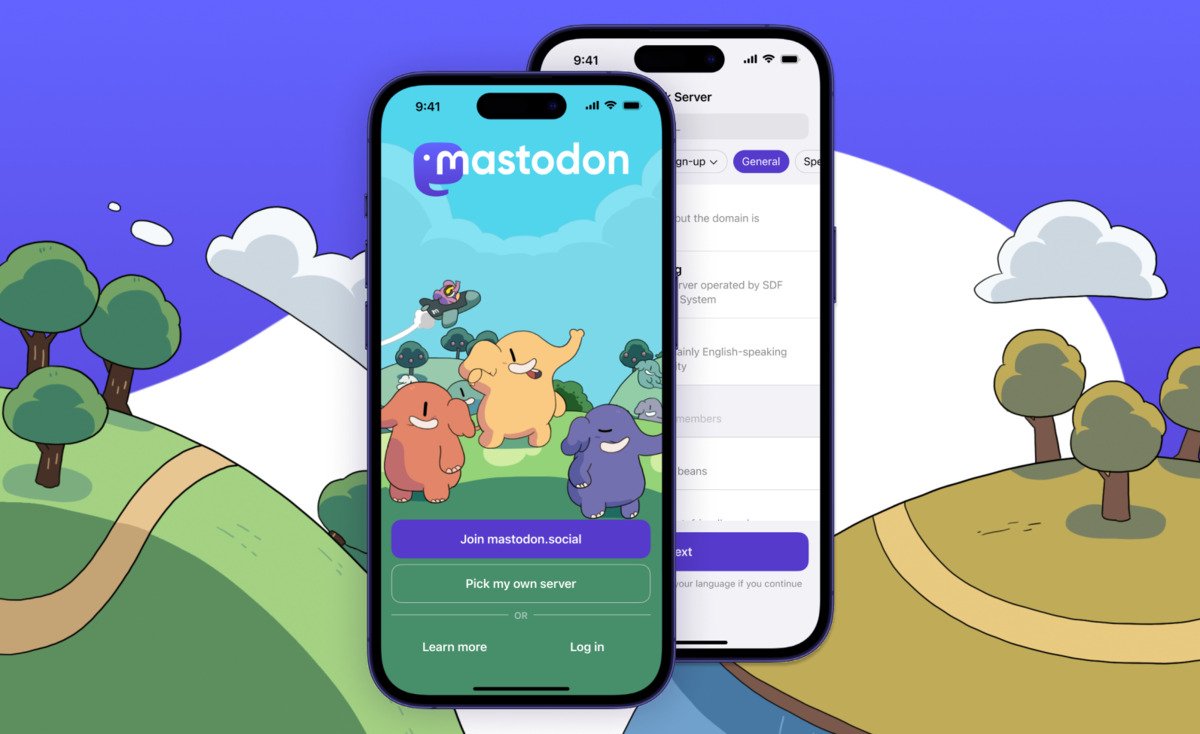
    Mastodon, the decentralized social network, has announced its transition to a non-profit organization. This significant step, revealed on January 13, 2025, aims to ensure that Mastodon remains independent, community-driven, and free from corporate influence.

    Why the Change?

    Founded in 2016 by Eugen Rochko, Mastodon grew from a small alternative to Twitter into a thriving platform with hundreds of thousands of users. Unlike traditional social networks, Mastodon operates through a collection of independently run servers, giving users more control over their experience.

    Previously, Mastodon was managed by Mastodon GmbH, a for-profit company in Germany. However, Rochko believes that no single individual or business should control a platform meant for free expression. “A social media platform should not be owned or controlled by a single individual,” he said, explaining the motivation behind the shift.

    How Will the Non-Profit Work?

    Under the new structure, a non-profit organization based in Europe will oversee the Mastodon platform. Key changes include:

    • Community Governance: A board will guide the platform’s decisions, ensuring they align with the interests of users, not shareholders.
    • Funding Model: Mastodon will continue to rely on donations, sponsorships, and grants. It will remain ad-free and avoid selling user data.
    • Operations: Day-to-day management will stay consistent, with Rochko focusing on improving the platform while the non-profit handles governance.

    Community and Industry Reactions

    The announcement has been welcomed by Mastodon users, many of whom see the move as a reflection of the platform’s core values of decentralization and user privacy. Posts on social media platforms like X praised the decision, highlighting it as a bold step in protecting community interests.

    However, some users raised concerns about the challenges of running a distributed system under a non-profit model. Issues like funding stability and supporting smaller server administrators were points of discussion.

    From a broader perspective, Mastodon’s move could inspire other decentralized platforms to adopt similar models, emphasizing community welfare over profit.

    What’s Next for Mastodon?

    This transition could make Mastodon more appealing to privacy-conscious users and those frustrated with mainstream social media platforms. By focusing on its community-driven mission, Mastodon might lead the way in building trust and encouraging user participation in decision-making.

    However, challenges remain. Without ads or data monetization, Mastodon will need creative strategies to sustain funding and support its growth. Balancing its principles with financial stability will be key as it continues to evolve.

    With this change, Mastodon takes a bold step toward redefining how social networks are managed, prioritizing users over profit and setting a potential new standard for the industry.

    Links