Category: News

  • Microsoft Announces $3 Billion Investment to Boost AI in India

    Microsoft Announces $3 Billion Investment to Boost AI in India

    In a major push for India’s growing artificial intelligence (AI) sector, Microsoft CEO Satya Nadella has revealed a $3 billion investment plan. Over the next two years, this funding will expand AI and cloud infrastructure across India, a key step to strengthen the country’s position as a global tech hub. The announcement was made during the Microsoft AI Tour event in Bengaluru, emphasizing Microsoft’s focus on fostering AI innovation in one of the fastest-growing digital markets in the world.

    Key Areas of Investment

    • Infrastructure Expansion
      Microsoft plans to build new data centers to enhance its Azure cloud and AI capabilities in India. This is part of a larger global initiative, following Microsoft’s recent $80 billion investment in AI infrastructure worldwide, set for 2025.
    • AI Skills Development
      As part of the second edition of the ADVANTA(I)GE India program, Microsoft aims to train 10 million people in AI skills by 2030. This initiative will help prepare India’s workforce for an AI-driven future, ensuring long-term technological competitiveness.
    • Partnerships and Startup Growth
      Microsoft has partnered with SaaSBoomi, a community for B2B startups, to promote entrepreneurship in smaller cities. This partnership aims to bring $1.5 billion in venture capital for AI and SaaS startups, boosting innovation beyond major tech hubs.

    Benefits for India

    • Boosting Innovation
      This investment will empower Indian startups, businesses, and government projects to use advanced AI technologies, driving innovation across industries.
    • Economic Growth
      The expansion is expected to create new jobs and encourage entrepreneurship, stimulating the broader economy.
    • Global AI Leadership
      With India already leading globally in AI skill adoption—showing 122% year-over-year growth compared to the global rate of 71%—this investment positions the country to become a key player in AI development.

    Community and Industry Reactions

    The announcement has sparked excitement in India’s tech community. On platforms like X (formerly Twitter), tech enthusiasts highlighted India’s rapid adoption of AI tools and its potential to shape the global AI landscape. Businesses in sectors like healthcare, finance, and education are particularly eager, anticipating improved services and operational efficiency from enhanced AI tools.

    Looking Forward

    Microsoft’s investment aligns with Prime Minister Narendra Modi’s vision of making India an AI-first nation. Beyond economic growth, this initiative will focus on:

    • Regional Development: Microsoft’s efforts to support smaller cities will spread tech-driven growth beyond hubs like Bengaluru and Hyderabad.
    • Sustainable AI: With innovations in energy-efficient data centers, Microsoft emphasizes environmentally responsible tech expansion.

    Strategic Implications

    This move places Microsoft in a strong position against competitors like Google and Amazon in India’s digital space. By focusing on partnerships, sustainability, and regional growth, Microsoft is not only accelerating India’s digital transformation but also reinforcing its role as a global leader in AI innovation.


    Links

    https://news.microsoft.com/en-in/microsoft-announces-us-3bn-investment-over-two-years-in-india-cloud-and-ai-infrastructure-to-accelerate-adoption-of-ai-skilling-and-innovation

  • Rogers and rSIM Partner to Improve IoT Connectivity in Canada

    Rogers and rSIM Partner to Improve IoT Connectivity in Canada

    Rogers Communications, Canada’s largest wireless provider, has teamed up with rSIM, a company known for its advanced dual-core SIM technology. This partnership is aimed at improving Internet of Things (IoT) connectivity across Canada. By working together, the two companies plan to meet the growing need for reliable, always-on connections in various industries.

    The Partnership

    This new partnership combines Rogers’ strong network with rSIM’s innovative SIM technology. rSIM’s patented technology ensures seamless connectivity by automatically switching to another network if one fails. This is crucial for IoT systems, where even small periods of downtime can cause big problems.

    Improving IoT Connectivity

    As Canada’s IoT market grows rapidly, the demand for real-time, always-on connectivity is expected to increase significantly. By 2030, Canada could see up to 20 million IoT connections, and nearly 83% of these will need to be constantly connected by 2033. The collaboration between Rogers and rSIM is designed to meet these growing needs by offering:

    • High Resiliency: With rSIM’s technology, Rogers can offer one of the most reliable IoT networks in Canada, which is essential for industries like healthcare, manufacturing, and logistics.
    • Scalable Solutions: rSIM’s approach allows Rogers to create flexible IoT solutions that work for both small businesses and large companies.
    • Real-Time Connectivity: This ensures that IoT devices stay connected at all times, which is vital for smart cities, fleet management, and remote healthcare applications.

    Industry Benefits

    The new partnership has the potential to improve many sectors:

    • Smart Cities: With reliable IoT connections, cities can better manage traffic, monitor the environment, and improve public safety.
    • Healthcare: The healthcare sector can use secure and dependable IoT devices for telemedicine, patient monitoring, and managing medical equipment.
    • Transportation and Logistics: Real-time tracking and management of goods will make supply chains more efficient and transparent.

    Looking Ahead

    Rogers and rSIM are committed to improving their services as IoT needs evolve. This partnership not only strengthens IoT connectivity for businesses in Canada but also helps position Canada as a leader in IoT technology. By working together, the companies are enabling both Canadian businesses and global companies to thrive in a connected world.

    Lloyd Fernandes from Rogers said, “This collaboration is about staying ahead of the demand by investing in innovative technologies like rSIM. It’s about helping businesses succeed in an always-connected world.”

    Cristina Barlow from rSIM added, “We focus on offering real-time, reliable solutions for modern IoT systems, and partnering with Rogers helps us bring this vision to life across Canada.”

    Links

    https://www.rsim.com/news/rogers-and-rsim-collaborate-to-power-always-on-iot-connectivity/

  • Moonrider Secures $2.2 Million to Revolutionize Farming with Electric Tractors

    Moonrider Secures $2.2 Million to Revolutionize Farming with Electric Tractors

    Bengaluru-based startup Moonrider, a leader in electric tractor technology, has raised $2.2 million in seed funding. The funding round, announced on January 7, 2025, was led by AdvantEdge Founders and Micelio Technology Fund, along with angel investors. This investment aims to boost Moonrider’s efforts to create cost-effective and eco-friendly solutions for modern farming.


    How the Funding Will Be Used

    Moonrider plans to use the funds to improve its technology and bring more innovation to electric tractors. Key areas of focus include:

    • Vehicle Engineering: Making electric tractors more powerful, durable, and efficient to match diesel models.
    • Vehicle Software: Adding smart features like better automation and integration with advanced farming techniques.
    • Battery Technology: Improving batteries to increase range and reduce charging time, making electric tractors more practical for farmers.

    Moonrider’s Mission

    Founded in August 2023 by Anoop Srikantaswamy and Ravi Kulkarni, Moonrider aims to make farming more sustainable and affordable. The startup’s tractors help farmers save up to 80% on operational costs, costing only INR 300 per hour compared to INR 1,000-1,500 for diesel tractors.

    “Our focus is on getting the product right. The next six months will involve testing, validation, and engineering improvements,” said Anoop Srikantaswamy, co-founder and CEO. Moonrider’s goal is to make tractors farmers can trust in a field that has been slow to embrace new technology.


    Support from Investors

    Kunal Khattar of AdvantEdge Founders shared his excitement:

    “Electric tractors are the next big thing. They are 50% cheaper to own and maintain, and we believe they will make a huge impact on farming.”

    Shreyas Shibulal from Micelio Fund added:

    “Moonrider aligns perfectly with our mission to back sustainable innovations in clean mobility.”


    Market Impact and Future Plans

    Moonrider has already partnered with businesses in India and East Africa, preparing to expand globally. Its tractors, set to launch soon, aim to replace diesel models, cutting carbon emissions and reducing farming costs.

    Despite a tough funding climate for electric vehicle startups—investments in India nearly halved between 2022 and 2024—Moonrider’s success shows strong confidence in the potential of electric tractors to reshape agriculture.

    Moonrider is set to lead the charge in modern, eco-friendly farming, offering a glimpse into a future where technology makes farming more sustainable and affordable for everyone.

    Links

    https://www.moonrider.ai

  • Nvidia Unveils Open-Source Llama and Cosmos Nemotron LLM Model Families to Build AI Agents at CES 2025

    Nvidia Unveils Open-Source Llama and Cosmos Nemotron LLM Model Families to Build AI Agents at CES 2025

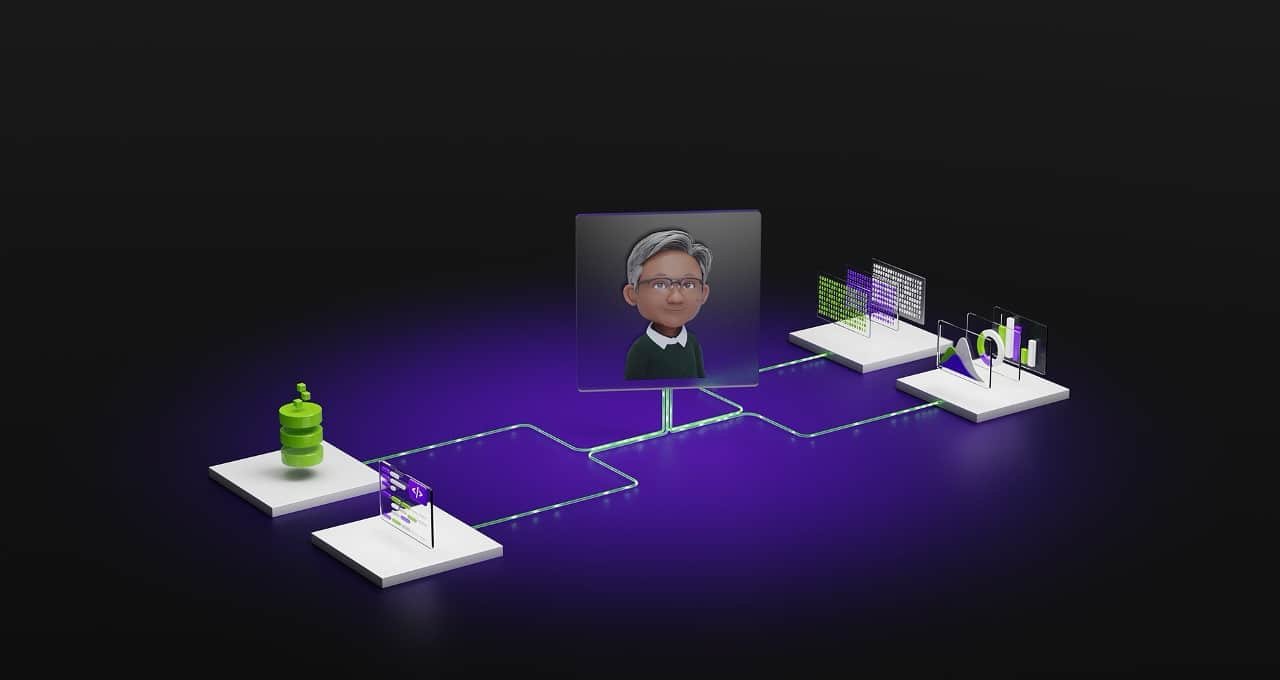
    At CES 2025, NVIDIA revealed the Nemotron model families, a groundbreaking step in artificial intelligence. These models include the open-source Llama Nemotron large language models (LLMs) and the Cosmos Nemotron vision language models (VLMs). Designed to boost AI agents’ abilities, these models are available as NVIDIA NIM microservices, making them easy to use on a variety of systems, from data centers to edge devices.

    What is the Nemotron Ecosystem?

    • NVIDIA NIM Microservices
      These microservices make it simple to add Nemotron models to different setups, ensuring high-performance AI capabilities with flexibility and scalability.
    • Llama Nemotron LLMs
      Based on the successful Llama architecture, these models come in three sizes: Nano, Super, and Ultra. Each size caters to specific needs, from low-latency tasks to high-accuracy applications. These LLMs are optimized for key AI tasks like generating human-like responses, coding, and solving complex math problems.
    • Cosmos Nemotron VLMs
      These vision language models combine image understanding with language processing, enabling AI agents to interpret and interact with visual data. This is useful for tasks like autonomous driving, medical analysis, and retail planning.
    • Scalable and Efficient Performance
      The Nemotron models use NVIDIA’s advanced training and optimization techniques to ensure they perform well and scale effectively across different hardware systems.

    Real-World Use Cases

    Major companies like SAP and ServiceNow are already using these models.

    • SAP is integrating them to improve AI-driven supply chain management.
    • ServiceNow aims to enhance its customer service AI agents for better user experiences.

    These early applications highlight how Nemotron models can automate complex tasks, improve decision-making, and streamline operations in industries like logistics, customer service, and healthcare.

    How It Works

    NVIDIA’s NeMo framework allows users to customize the Nemotron models for specific needs. For faster deployment, NVIDIA Blueprints offer ready-made solutions for building AI agents.

    Community Buzz and Open-Source Impact

    The Nemotron models have generated excitement across social platforms like X, where developers and AI enthusiasts are discussing their potential. NVIDIA’s decision to open-source the Llama Nemotron models encourages global collaboration, allowing developers to adapt and expand their capabilities for different industries.

    The Future of AI Agents

    NVIDIA’s Nemotron models pave the way for smarter, more capable AI agents that can handle complex tasks in real-world scenarios. With advancements in language and vision processing, these models could reshape industries and drive innovation in AI applications worldwide.

    Links

    https://build.nvidia.com/nvidia/llama-3_1-nemotron-70b-instruct

    https://build.nvidia.com/nvidia/cosmos-nemotron-34b

    https://huggingface.co/models?search=nemotron

    https://huggingface.co/nvidia/nemotron-3-8b-base-4k

    https://huggingface.co/nvidia/Llama-3.1-Nemotron-70B-Instruct-HF

    https://huggingface.co/nvidia/Llama-3.1-Nemotron-70B-Reward

  • Samsung Unveils Vision AI to Redefine Smart TVs at CES 2025

    Samsung Unveils Vision AI to Redefine Smart TVs at CES 2025

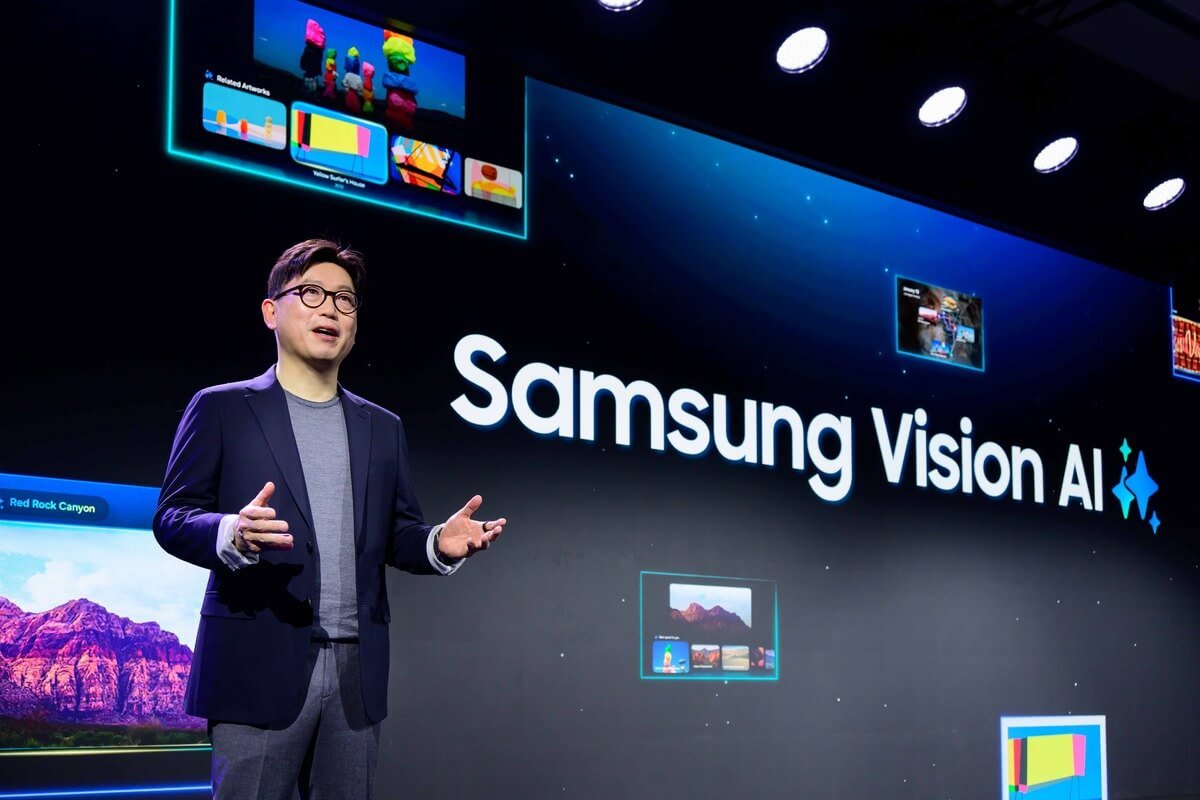
    At CES 2025, Samsung Electronics introduced Vision AI, a groundbreaking feature for its 2025 smart TV lineup. This innovation transforms TVs from simple entertainment devices into interactive, intelligent companions, enhancing how users engage with their screens.

    What Is Vision AI?

    Vision AI is an on-screen AI system that improves Samsung’s smart TVs, monitors, and smart home appliances with screens. Here’s what it offers:

    • Personalized Experience: Vision AI can translate subtitles in real-time, instantly search for content by recognizing what’s on the screen, and even create custom wallpapers using AI.
    • Wide Applications: It will be available in Samsung’s 2025 Neo QLED, OLED, QLED, and The Frame TVs, making cutting-edge AI accessible across different models.
    • AI-Powered Features:
      • Live Translate: Provides real-time subtitle translations in up to seven languages for international shows and movies.
      • Click to Search: Lets users click on any part of the screen to get more information or related content without interrupting their viewing.
      • Generative Wallpaper: Turns idle TVs into artistic displays by creating personalized wallpapers.
      • Smart Home Hub: Monitors pets or family members, sends security alerts, and adjusts settings like lighting based on activity in the home.

    Collaborations and Partnerships

    Samsung is teaming up with major tech players to expand Vision AI’s capabilities:

    • Microsoft: Bringing Microsoft Copilot to Samsung TVs and monitors for personalized content recommendations and advanced AI tools.
    • Google: Collaborating to integrate Vision AI into a broader ecosystem for seamless smart home functionality.

    Availability and Future Plans

    Vision AI was first revealed at Samsung’s “First Look” event before CES 2025. It will be a central feature of Samsung’s 2025 TV lineup. Pricing and availability details are expected closer to the launch, with updates available on Samsung’s official website. Early sign-ups might even enjoy preorder perks.

    Looking forward, Vision AI aims to make TVs not just for entertainment but also for managing smart homes, learning, and cultural experiences. In regions like India, where smart home demand is rising, Vision AI’s ability to break language barriers and improve home connectivity is expected to be especially popular.

    Market and Industry Impact

    The announcement has sparked excitement among tech enthusiasts and analysts. Posts on X (formerly Twitter) praise Vision AI’s potential to change how people use TVs, with features that focus on enhancing convenience without sacrificing privacy. Samsung’s Knox security ensures user data remains safe, adding trust to its advanced AI technology.

    Vision AI represents Samsung’s bold step towards blending entertainment, AI, and smart home innovation, setting a new standard for what smart TVs can do.

    Links

    https://news.samsung.com/global/samsung-electronics-unveils-samsung-vision-ai-and-new-innovations-at-first-look-2025-delivering-personalized-ai-powered-screens-to-enrich-everyday-life

  • Timekettle Launched W4 Pro AI Interpreter Earbuds with Real-Time Call Translation

    Timekettle Launched W4 Pro AI Interpreter Earbuds with Real-Time Call Translation

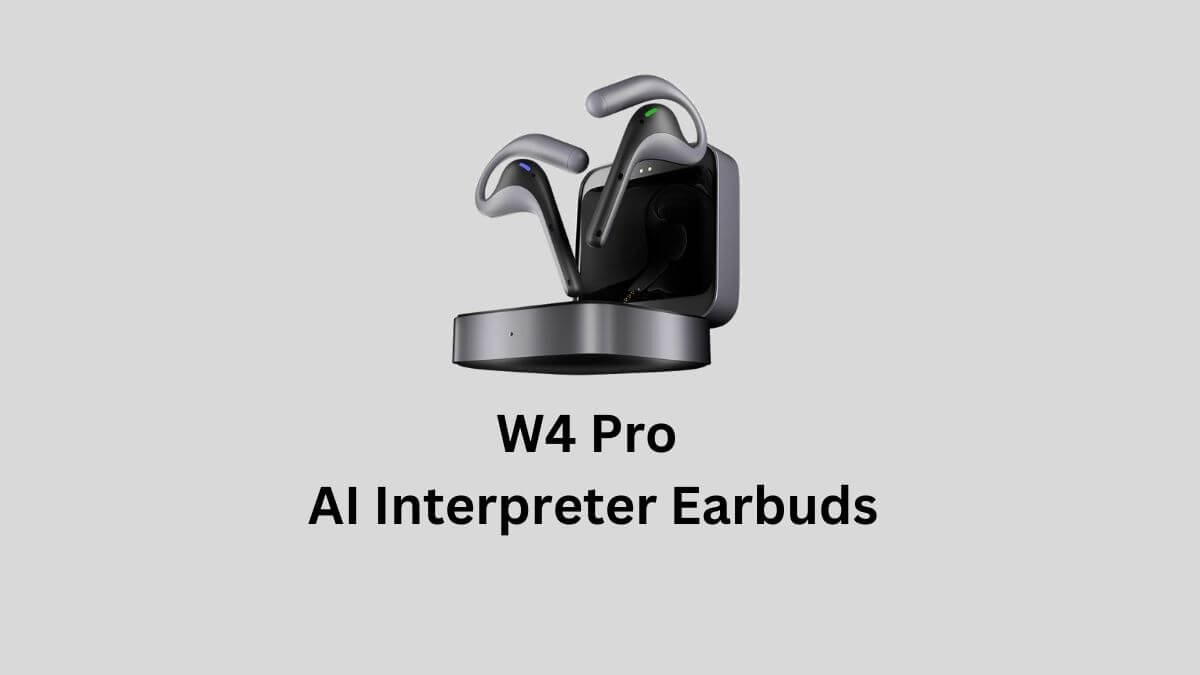
    At CES 2025, Timekettle, a leading name in AI translation, launched its W4 Pro AI Interpreter Earbuds, an exciting step forward in breaking language barriers. These earbuds introduce real-time translation during voice and video calls, making cross-language communication seamless and accessible.

    Key Features of the W4 Pro

    • Real-Time Translation on Calls: The earbuds let users speak in their language during phone and video calls, with instant translations for the other party. This works on major platforms like WhatsApp, Zoom, and Teams—no extra equipment or apps needed for the other person.
    • Advanced AI Technology: Powered by the new Babel OS, the W4 Pro translates within 3-5 seconds. Features like AI Semantic Segmentation speed up sentence processing, and AI Memo provides summaries of conversations after they end.
    • Wide Language Support: The earbuds can handle translations for 40 languages and recognize 93 accents, offering unmatched versatility for global users.
    • Comfortable, Smart Design: With an open-ear design and a 3-microphone array, the earbuds ensure clear sound even in noisy settings, making them ideal for business, travel, or long usage.
    • Multifunctionality: In addition to translation, the earbuds play music, make calls, and support offline translation for 13 languages. Full features for all 40 languages require an online connection via the Timekettle app.

    Pricing and Availability

    The W4 Pro AI Interpreter Earbuds are priced at $449 and became available on January 7, 2025. They can be purchased from Timekettle’s website and major retailers like Amazon. High demand post-launch has slightly increased shipping times.

    Industry Impact and User Feedback

    These earbuds have the potential to revolutionize global communication by providing instant, accurate translations in real-time. Whether for business meetings, travel, or education, the W4 Pro eliminates language barriers that previously slowed interactions.

    Early reviews have been highly positive, with users praising the translation accuracy, ease of setup, and the privacy of the audio (translations are only heard by the user). Many users also appreciate the app’s intuitive interface and the additional functionalities of the earbuds.

    Looking Ahead

    Timekettle CEO Leal Tian announced exciting plans for the future, including adding personalized lexicons for specific industries and enhancing AI response speeds. The company also aims to expand offline translation capabilities to support more languages, making the W4 Pro even more versatile for users on the go.

    With these innovations, the W4 Pro AI Interpreter Earbuds could become a game-changer in global communication, simplifying conversations and bringing people closer than ever before.

    Links

    https://www.timekettle.co/products/w4-pro-ai-interpreter-earbuds

  • China’s AgiBot Releases Massive Humanoid Robot Training Data Set

    China’s AgiBot Releases Massive Humanoid Robot Training Data Set

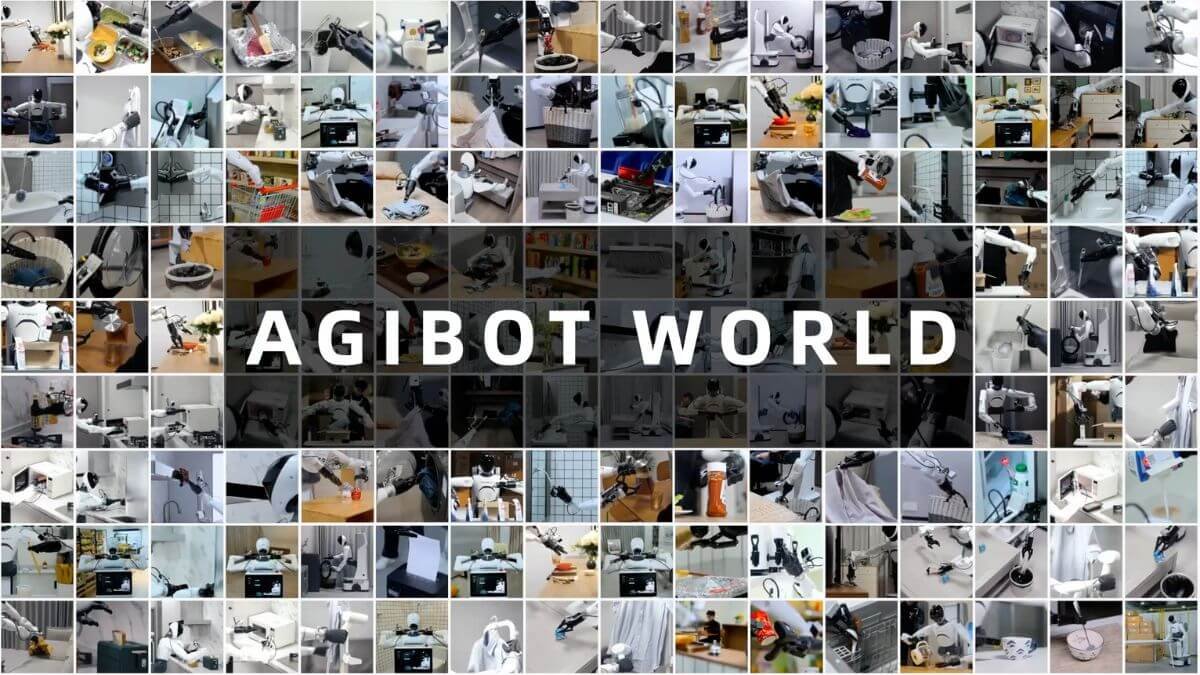
    AgiBot, a Chinese robotics startup, has launched what is being hailed as the largest-ever dataset for training humanoid robots in everyday activities. The “AgiBot World” dataset is designed to advance humanoid robotics research and development, offering a valuable resource for both academic and industrial applications in the field.

    A Major Step for Robotics Research

    AgiBot World isn’t just another dataset; it’s a comprehensive collection that includes over one million robot movements collected from 100 different robots. The dataset covers a variety of real-world scenarios, with more than 100 environments such as homes, offices, retail spaces, and industrial settings. These scenarios are designed to help robots master tasks like fine manipulation, using tools, and collaborating with other robots.

    Diverse and Complex Skills

    The AgiBot World dataset contains more than 80 types of everyday activities, including arranging flowers, cooking, and processing checkout transactions. By incorporating a broad range of tasks, it offers a rich training ground for humanoid robots to learn how to interact with human environments in complex and useful ways.

    Open Source for Global Collaboration

    In an effort to foster worldwide collaboration, AgiBot has made the dataset available to AI humanoid developers at no cost. Hosted on popular platforms like GitHub and Hugging Face, AgiBot World is designed to make progress in embodied AI much easier, much like how ImageNet revolutionized computer vision.

    A Game-Changer for Humanoid Robotics

    The release of AgiBot World is being seen as a groundbreaking moment for humanoid robotics, potentially speeding up the transition of robots from controlled environments to real-world applications. By providing detailed and varied data, AgiBot World could significantly improve how robots learn to perform everyday tasks.

    Collaboration Between Academia and Industry

    The availability of this dataset to both academic researchers and industrial developers could help democratize access to high-quality data. This open approach is expected to lead to breakthroughs in both robotic learning algorithms and hardware design, bridging the gap between theory and practical application.

    AgiBot’s Ambitions

    Founded in February 2023, AgiBot aims to lead the charge in the development of humanoid robots. The company has already released several models, including the Yuanzheng A2 and Raise A1, which are designed for precision tasks. AgiBot is also scaling up production, having already mass-produced nearly 1,000 humanoid robots by the end of 2024.

    Competing Globally

    AgiBot’s open-source data release comes as the company faces increasing competition from global robotics players like Tesla, which is developing its own humanoid robot, Optimus. AgiBot’s approach, which combines open-source data with mass production, could give it a unique advantage in the rapidly growing market for humanoid robots.

    Reactions and Future Prospects

    The tech community has reacted positively to the release of AgiBot World, with many expressing excitement about its potential to transform the robotics industry. However, concerns about data privacy, security, and the ethical use of robots will need to be addressed as the company continues to push forward.

    Dataset Links:

    https://huggingface.co/datasets/agibot-world/AgiBotWorld-Alpha

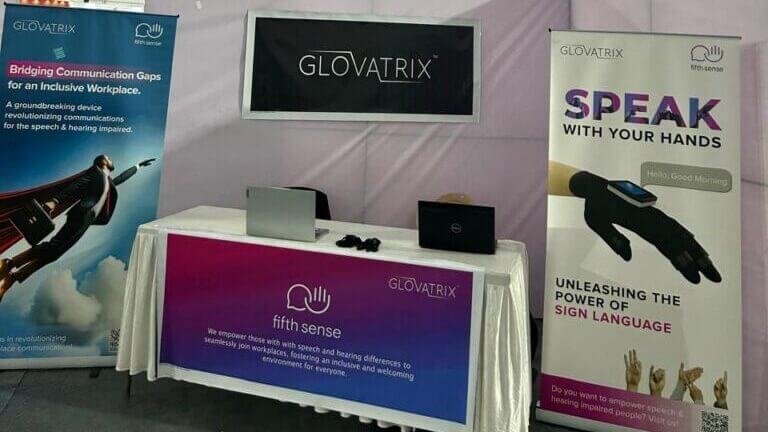
  • Indian Startup Glovatrix Launches AI Gloves to Help People with Speech Impairments Communicate

    Indian Startup Glovatrix Launches AI Gloves to Help People with Speech Impairments Communicate

    Pune-based startup Glovatrix has introduced an innovative solution to help individuals with speech impairments communicate more effectively. Their AI-powered gloves, called “Fifth Sense,” translate sign language gestures into spoken words in real time, bridging the communication gap for millions in India.

    How Fifth Sense Works

    The Fifth Sense gloves combine advanced technology with Indian Sign Language (ISL) to enable seamless communication.

    • Gesture Recognition: The gloves have sensors that detect hand and finger movements, converting them into digital signals.
    • AI Translation: These signals are processed by an AI algorithm trained on thousands of gesture samples for accuracy. The AI translates these gestures into speech, creating real-time conversations.
    • Speech Synthesis: The gloves also capture spoken words through built-in microphones, displaying text or images for the user, ensuring two-way communication.

    Impact of Fifth Sense

    Glovatrix’s gloves are designed to empower individuals with speech and hearing impairments by providing independence in communication.

    • Improved Social Interaction: The gloves enable users to express themselves easily in daily life, enhancing their relationships and self-confidence.
    • Workplace Inclusion: Fifth Sense is already being tested in workplaces, including government offices in Odisha and industries like hospitality and aviation. This move promotes inclusive hiring practices.
    • Educational Benefits: The technology supports classrooms where sign language is taught or used, offering a valuable tool for real-time translation.

    Success Stories and Recognition

    The gloves have already started making a difference:

    • Real-World Use: A user with speech impairment successfully secured a job by using Fifth Sense to communicate during an interview, showcasing its potential.
    • Awards and Funding: Glovatrix has won several startup awards, including the Conquest competition by Bits Pilani, and has raised ₹75 lakh through government grants to scale its efforts.

    Future Plans

    Glovatrix has ambitious plans to improve and expand the impact of Fifth Sense:

    • Product Upgrades: The company is refining its hardware and app to make the gloves more user-friendly and appealing.
    • Market Expansion: While currently focusing on businesses, Glovatrix plans to launch a consumer version to make the gloves available to individuals directly.
    • Broader Gesture Recognition: The team is working with more deaf individuals to expand the library of recognized gestures, ensuring it captures the diversity of sign language expressions.

    A Step Toward Inclusive Technology

    With Fifth Sense, Glovatrix is setting an example of how technology can address real-world challenges and foster inclusivity. By turning sign language into a voice for those who need it most, the startup is not just building a product but creating new opportunities for empowerment.

    Links

    https://glovatrix.com/