Category: Robotics

  • Meet Omi: The $89 AI Gadget That Listens, Learns, and Might Read Your Mind

    Meet Omi: The $89 AI Gadget That Listens, Learns, and Might Read Your Mind

    At the CES 2025 event in Las Vegas, Based Hardware, a tech startup from San Francisco, introduced Omi, an affordable AI wearable designed to boost productivity and make interacting with technology easier. Priced at $89, Omi is not just another gadget—it’s a glimpse into the future, with plans to read brain activity in upcoming versions.

    What Makes Omi Unique?

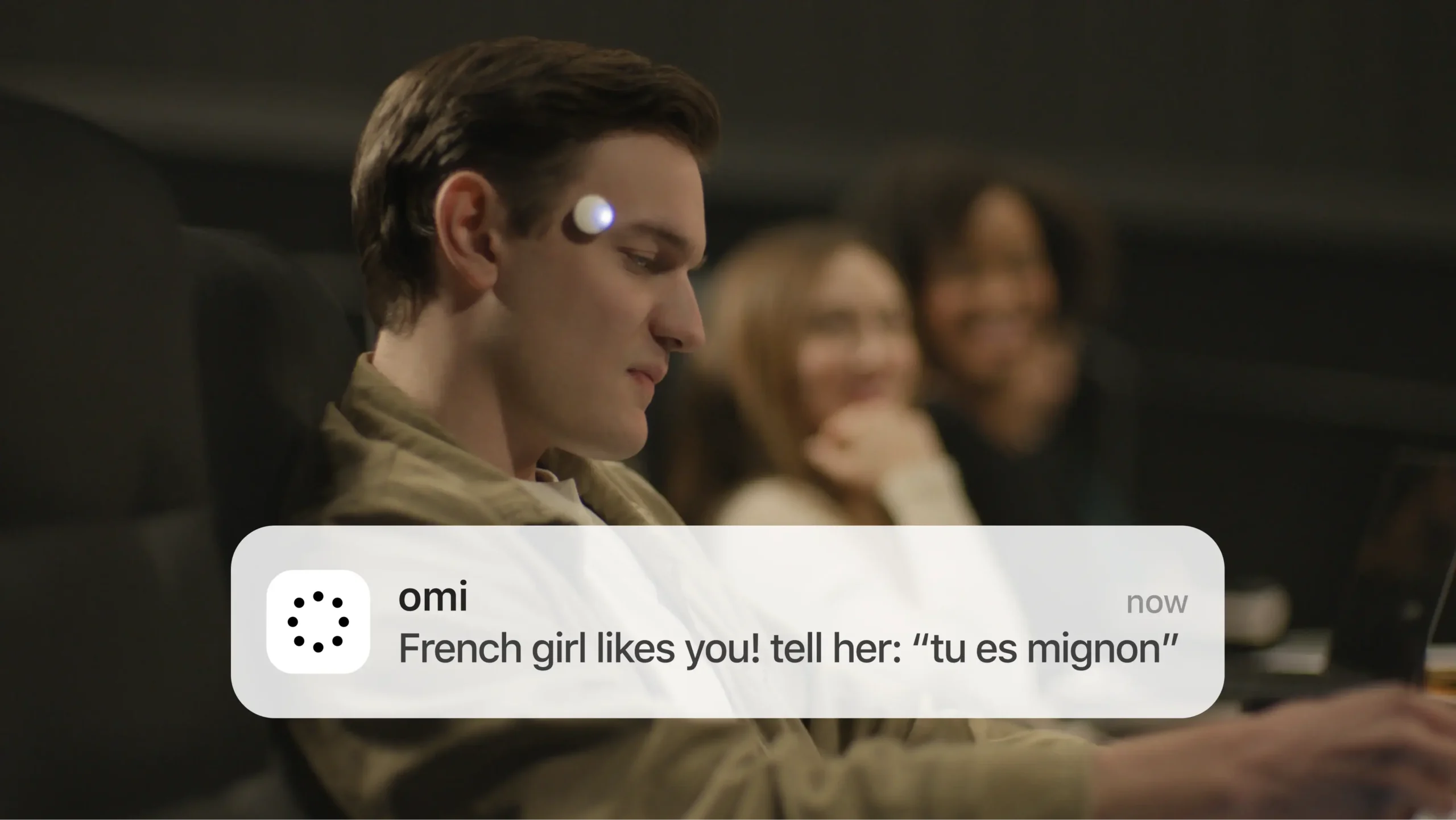
    Omi has a sleek, minimalist look, resembling a mint from a Mentos pack. You can wear it as a necklace or attach it to your head with medical tape for a futuristic “brain interface” experience. The first version works with audio only, but in mid-2025, Based Hardware plans to release a brain-interface module. This upgrade will allow Omi to interpret signals from your brain, making it more intuitive to use.

    How Does Omi Work?

    The device uses advanced AI powered by GPT-4o to listen to your voice and respond without needing a wake word like “Hey Omi.” It can:

    • Take notes during meetings.
    • Create to-do lists.
    • Answer questions.
    • Provide personalized advice by remembering details about you.

    Omi’s battery lasts up to three days, making it a practical companion for everyday use.

    The upcoming brain-interface module will add a new layer of functionality. With a single electrode, Omi will try to read brain signals to understand when you’re interacting with it versus random thoughts. While this feature is still in development, it offers a sneak peek at how technology might evolve to be even more integrated into daily life.

    Privacy and Ethical Concerns

    A device that can potentially read thoughts raises understandable privacy concerns. To address this, founder Nik Shevchenko emphasized Omi’s open-source design. Users can choose where their data is stored, such as locally on their device, or see exactly where it’s sent. This approach aims to provide transparency and reduce fears of misuse.

    How Does Omi Compare to Other Gadgets?

    Omi isn’t trying to replace smartphones but instead works alongside them to enhance productivity. Unlike other AI wearables that overpromise and underdeliver, Omi focuses on complementing existing technology.

    The device also has an app store, allowing developers to create custom applications for Omi. This feature could turn it into a versatile platform for personal AI assistance.

    The Bigger Picture

    Devices that interact with thoughts aren’t new, but Omi’s focus on affordability and open-source ethics sets it apart. It has already generated buzz online, with some people excited about its potential and others raising concerns about ethics and practicality.

    Whether it’s summarizing your day, creating a to-do list, or offering a glimpse into a future of thought-controlled technology, Omi might be a game-changer.

    Links

    https://www.omi.me

    Demo Video:

  • China’s Humanoid Robots – A New Solution for Elderly Care

    China’s Humanoid Robots – A New Solution for Elderly Care

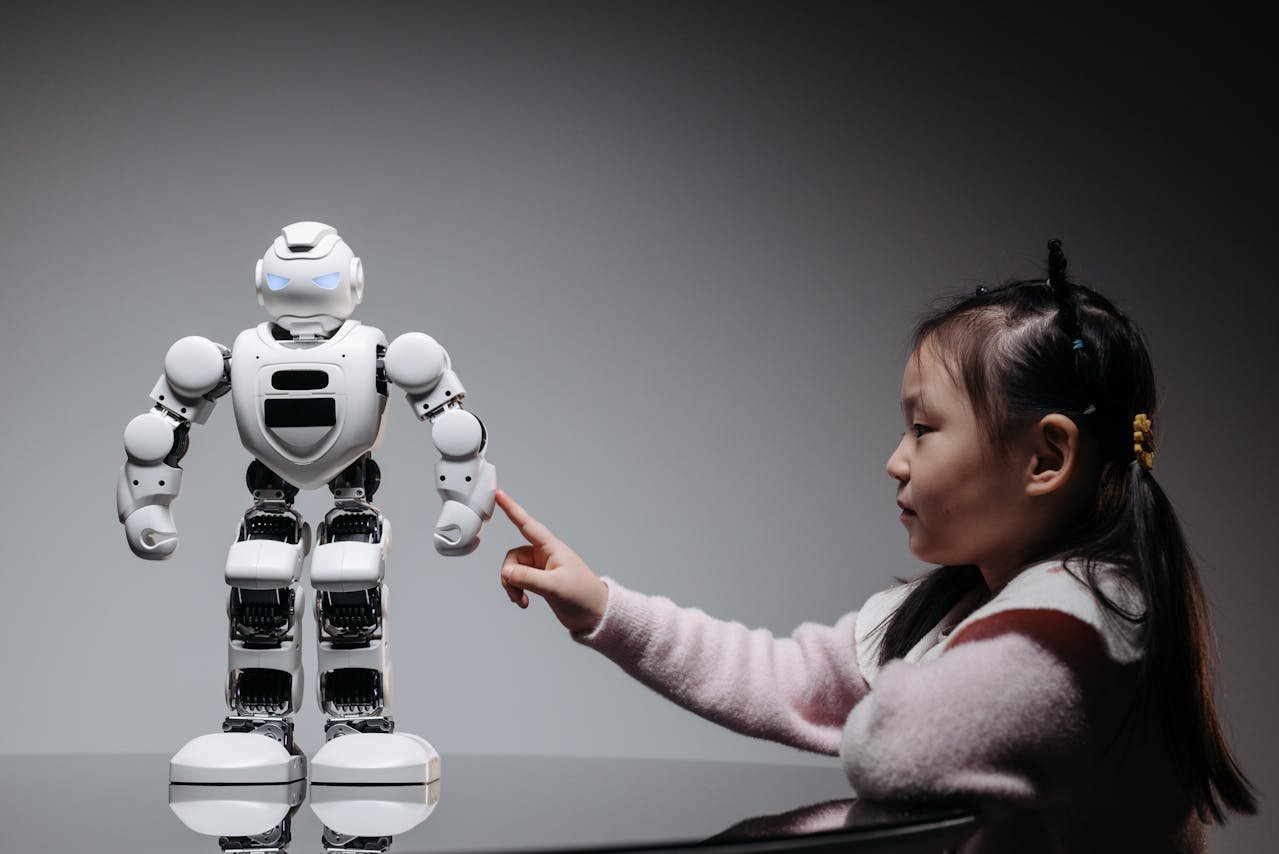
    China is facing two big challenges: an aging population and a shortage of workers to take care of older adults. To address these issues, the country is introducing humanoid robots to help with elderly care. This initiative aims to improve the lives of seniors while also tackling the labor gap in caregiving.

    Government Plan

    The Chinese government has set up new rules to encourage the use of humanoid robots, brain-computer interfaces (BCI), and AI in elderly care. These technologies are designed to help with daily tasks, provide companionship, and monitor health, acting as robotic caregivers.

    Technological Developments

    The GR-1 humanoid robot, developed by Fourier Intelligence, is leading this change. This robot can carry patients from beds to wheelchairs, pick up objects, and even provide therapy. With the ability to walk, avoid obstacles, and perform simple tasks, robots like the GR-1 could soon be a regular part of elderly care in China.

    Economic and Social Impact

    This shift to robotics is about more than just solving immediate problems. China hopes to lead the global robotics industry while addressing the challenges of an aging population. By the end of 2023, more than 216 million people in China were aged 65 or older, making up 15.4% of the population. Introducing AI and robots into elderly care could reduce healthcare costs, fill caregiving gaps, and boost the technology sector.

    Challenges and Considerations

    While this idea is promising, there are a few challenges:

    • Acceptance: Older adults may not be familiar with robots, so designing robots that can mimic human expressions and interact socially is important for acceptance.
    • Privacy and Safety: Using robots in homes and care facilities raises concerns about data privacy and safety. China plans to create a national platform to ensure secure data handling.
    • Cost: The cost of developing and using these robots is high, but over time, they could become more affordable.

    Global Impact

    China’s initiative has attracted attention worldwide, especially as other countries face similar aging challenges. This plan is part of China’s “Made in China 2025” strategy, which aims to make the country a leader in high-tech industries. The global interest reflects the potential of this shift in caregiving, which could change labor markets around the world.

    Looking Ahead

    China is also working on large science and technology projects to speed up the use of robots in elderly care. This could lead to new global standards for eldercare and foster international collaboration in robotics.

    China’s approach to using humanoid robots for elderly care is a big step toward the future of social care, blending technology with human needs. As the technology develops, it may become a model for other countries or create a more integrated way of caring for older people. Either way, it marks an exciting new chapter in the use of AI and robots to improve society.

  • China’s AgiBot Releases Massive Humanoid Robot Training Data Set

    China’s AgiBot Releases Massive Humanoid Robot Training Data Set

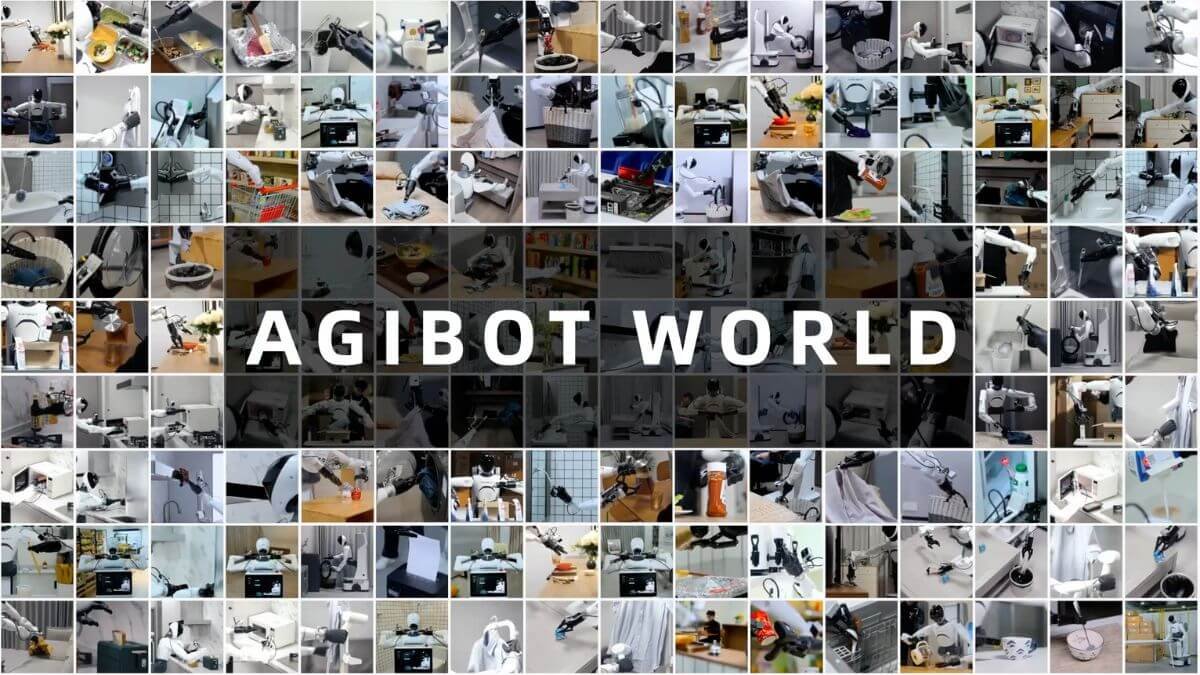
    AgiBot, a Chinese robotics startup, has launched what is being hailed as the largest-ever dataset for training humanoid robots in everyday activities. The “AgiBot World” dataset is designed to advance humanoid robotics research and development, offering a valuable resource for both academic and industrial applications in the field.

    A Major Step for Robotics Research

    AgiBot World isn’t just another dataset; it’s a comprehensive collection that includes over one million robot movements collected from 100 different robots. The dataset covers a variety of real-world scenarios, with more than 100 environments such as homes, offices, retail spaces, and industrial settings. These scenarios are designed to help robots master tasks like fine manipulation, using tools, and collaborating with other robots.

    Diverse and Complex Skills

    The AgiBot World dataset contains more than 80 types of everyday activities, including arranging flowers, cooking, and processing checkout transactions. By incorporating a broad range of tasks, it offers a rich training ground for humanoid robots to learn how to interact with human environments in complex and useful ways.

    Open Source for Global Collaboration

    In an effort to foster worldwide collaboration, AgiBot has made the dataset available to AI humanoid developers at no cost. Hosted on popular platforms like GitHub and Hugging Face, AgiBot World is designed to make progress in embodied AI much easier, much like how ImageNet revolutionized computer vision.

    A Game-Changer for Humanoid Robotics

    The release of AgiBot World is being seen as a groundbreaking moment for humanoid robotics, potentially speeding up the transition of robots from controlled environments to real-world applications. By providing detailed and varied data, AgiBot World could significantly improve how robots learn to perform everyday tasks.

    Collaboration Between Academia and Industry

    The availability of this dataset to both academic researchers and industrial developers could help democratize access to high-quality data. This open approach is expected to lead to breakthroughs in both robotic learning algorithms and hardware design, bridging the gap between theory and practical application.

    AgiBot’s Ambitions

    Founded in February 2023, AgiBot aims to lead the charge in the development of humanoid robots. The company has already released several models, including the Yuanzheng A2 and Raise A1, which are designed for precision tasks. AgiBot is also scaling up production, having already mass-produced nearly 1,000 humanoid robots by the end of 2024.

    Competing Globally

    AgiBot’s open-source data release comes as the company faces increasing competition from global robotics players like Tesla, which is developing its own humanoid robot, Optimus. AgiBot’s approach, which combines open-source data with mass production, could give it a unique advantage in the rapidly growing market for humanoid robots.

    Reactions and Future Prospects

    The tech community has reacted positively to the release of AgiBot World, with many expressing excitement about its potential to transform the robotics industry. However, concerns about data privacy, security, and the ethical use of robots will need to be addressed as the company continues to push forward.

    Dataset Links:

    https://huggingface.co/datasets/agibot-world/AgiBotWorld-Alpha

  • Indian Startup Glovatrix Launches AI Gloves to Help People with Speech Impairments Communicate

    Indian Startup Glovatrix Launches AI Gloves to Help People with Speech Impairments Communicate

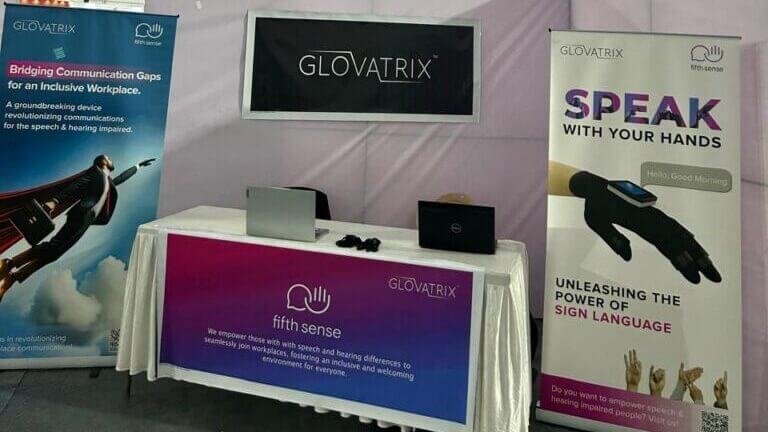
    Pune-based startup Glovatrix has introduced an innovative solution to help individuals with speech impairments communicate more effectively. Their AI-powered gloves, called “Fifth Sense,” translate sign language gestures into spoken words in real time, bridging the communication gap for millions in India.

    How Fifth Sense Works

    The Fifth Sense gloves combine advanced technology with Indian Sign Language (ISL) to enable seamless communication.

    • Gesture Recognition: The gloves have sensors that detect hand and finger movements, converting them into digital signals.
    • AI Translation: These signals are processed by an AI algorithm trained on thousands of gesture samples for accuracy. The AI translates these gestures into speech, creating real-time conversations.
    • Speech Synthesis: The gloves also capture spoken words through built-in microphones, displaying text or images for the user, ensuring two-way communication.

    Impact of Fifth Sense

    Glovatrix’s gloves are designed to empower individuals with speech and hearing impairments by providing independence in communication.

    • Improved Social Interaction: The gloves enable users to express themselves easily in daily life, enhancing their relationships and self-confidence.
    • Workplace Inclusion: Fifth Sense is already being tested in workplaces, including government offices in Odisha and industries like hospitality and aviation. This move promotes inclusive hiring practices.
    • Educational Benefits: The technology supports classrooms where sign language is taught or used, offering a valuable tool for real-time translation.

    Success Stories and Recognition

    The gloves have already started making a difference:

    • Real-World Use: A user with speech impairment successfully secured a job by using Fifth Sense to communicate during an interview, showcasing its potential.
    • Awards and Funding: Glovatrix has won several startup awards, including the Conquest competition by Bits Pilani, and has raised ₹75 lakh through government grants to scale its efforts.

    Future Plans

    Glovatrix has ambitious plans to improve and expand the impact of Fifth Sense:

    • Product Upgrades: The company is refining its hardware and app to make the gloves more user-friendly and appealing.
    • Market Expansion: While currently focusing on businesses, Glovatrix plans to launch a consumer version to make the gloves available to individuals directly.
    • Broader Gesture Recognition: The team is working with more deaf individuals to expand the library of recognized gestures, ensuring it captures the diversity of sign language expressions.

    A Step Toward Inclusive Technology

    With Fifth Sense, Glovatrix is setting an example of how technology can address real-world challenges and foster inclusivity. By turning sign language into a voice for those who need it most, the startup is not just building a product but creating new opportunities for empowerment.

    Links

    https://glovatrix.com/