Tag: AI

  • Microsoft Announces New AI Division: CoreAI – Platform and Tools

    Microsoft Announces New AI Division: CoreAI – Platform and Tools

    In an effort to lead the artificial intelligence (AI) revolution, Microsoft has launched a new engineering group called CoreAI – Platform and Tools. Microsoft’s Chairman and CEO, Satya Nadella, shared the news in a blog post, calling this move part of the “next innings of this AI platform shift.”

    The Start of CoreAI

    CoreAI was created after over two years of Microsoft’s deep work with AI technologies. The aim is to take advantage of advanced AI models that are transforming all types of software. Nadella explained that technology is evolving at an incredibly fast pace, compressing three decades of growth into just three years.

    CoreAI’s Mission

    The goal of CoreAI is to create a full AI system that helps both Microsoft and other developers build and use AI applications. Several important teams will come together to form this division:

    • Dev Div: Focuses on development tools.
    • AI Platform: Works on AI infrastructure and services.
    • Office of the CTO: Includes teams like AI Supercomputer, AI Agentic Runtimes, and Engineering Thrive.

    Leadership and Structure

    Jay Parikh has been named Executive Vice President (EVP) of CoreAI – Platform and Tools. He will lead the division, supported by key leaders like Eric Boyd, Jason Taylor, Julia Liuson, and Tim Bozarth, all bringing expertise in AI and engineering.

    Goals of CoreAI

    CoreAI will focus on three main areas:

    1. Agentic Applications: Creating tools with memory and advanced model capabilities to serve various industries.
    2. AI-First Application Stack: Building new user experiences, tools for multiple agents, and improving system management.
    3. GitHub Copilot Integration: Enhancing the AI platform with feedback from developers using GitHub Copilot.

    How CoreAI Will Benefit Users

    This new division is expected to:

    • Strengthen Microsoft’s AI Offerings: Making products smarter and easier to use.
    • Support Third-Party Developers: Providing tools to create their own AI-powered apps.
    • Encourage Innovation: Pushing AI research to keep Microsoft ahead in the tech world.

    Industry Excitement

    Tech experts and enthusiasts have expressed excitement about Microsoft’s bold move. Many believe that CoreAI could position Microsoft as a leader in AI application development, just as it did with cloud computing through Azure.

    By forming CoreAI, Microsoft is showing its strong commitment to shaping the future of AI. This new division could bring big changes to software, making it smarter, faster, and more useful for everyone.

    Links

    https://blogs.microsoft.com/blog/2025/01/13/introducing-core-ai-platform-and-tools

  • Raspberry AI Raises $24M to Revolutionize Fashion Design with AI

    Raspberry AI Raises $24M to Revolutionize Fashion Design with AI

    Raspberry AI, a New York startup specializing in generative AI for fashion design, has raised $24 million in funding led by Andreessen Horowitz (a16z). This investment is set to transform how fashion is imagined, designed, and produced, signaling a big step forward for AI in creative industries.

    What Does Raspberry AI Do?

    Raspberry AI’s platform uses generative AI to help fashion designers quickly visualize trends, fabrics, trims, prints, and more. Instead of spending weeks sketching or experimenting, designers can see their ideas come to life in moments. The company aims to make fashion design faster and easier while empowering creativity.

    About the Funding

    The Series A funding round, led by a16z, follows Raspberry AI’s earlier $4.5 million seed funding. With $24 million now secured, the company plans to:

    • Expand Operations: Hire more AI experts, fashion specialists, and developers to improve the platform.
    • Enhance AI Models: Make the platform smarter and better at predicting what consumers will love.
    • Reach More Designers: Offer affordable tools to smaller brands and independent designers, leveling the playing field in the fashion world.

    How AI Can Change Fashion

    The fashion industry is often criticized for being slow, wasteful, and unsustainable. Raspberry AI’s tools could change this by:

    • Speeding Up Design: Cutting design times from months to days, helping brands respond faster to trends.
    • Reducing Waste: Aligning production with demand, minimizing overproduction and excess inventory.
    • Fostering Creativity: Allowing designers to try bold, innovative ideas with less risk.

    Industry Buzz

    Both the tech and fashion communities are excited about Raspberry AI’s potential. Designers and brands see AI as a way to make their processes more efficient and creative. On social media, many have praised the company for its focus on inclusivity, as it aims to provide cutting-edge tools to both major fashion houses and independent designers.

    The Future of Fashion with AI

    With this funding, Raspberry AI plans to expand globally, partner with top fashion brands, and introduce new features. However, the company knows it must balance technology and human creativity. Cheryl Liu, CEO of Raspberry AI, emphasizes that AI will assist designers rather than replace their unique, personal touch.

    As the fashion industry moves toward more sustainable and innovative practices, Raspberry AI could lead the way, showing how AI and creativity can work together to shape the future of design.

    Links

    https://www.raspberry.ai

  • Moody’s to Acquire Cape Analytics, Boosting Geospatial AI for Insurance

    Moody’s to Acquire Cape Analytics, Boosting Geospatial AI for Insurance

    Moody’s Corporation has announced plans to acquire Cape Analytics, a company that specializes in geospatial artificial intelligence (AI) for insurance providers. This move, revealed on January 13, 2025, strengthens Moody’s capabilities in advanced analytics and data-driven property risk assessment.

    What the Acquisition Means

    The deal is expected to close in early 2025, pending standard approvals. Although financial terms weren’t disclosed, the acquisition underscores Moody’s commitment to innovation in the insurance sector. Founded in 2014, Cape Analytics uses AI to analyze aerial images and provide actionable data for property risk evaluations, eliminating the need for on-site inspections.

    Cape Analytics’ Key Technology

    Cape Analytics is known for its Roof Condition Rating (RCR), a tool that uses aerial imagery to evaluate the state of a property’s roof. Roof condition is crucial in determining insurance premiums and claims. This technology is already used by over half of the top property insurers in the U.S., proving its effectiveness and value in the industry.

    Why This Matters for Moody’s

    Moody’s aims to integrate Cape Analytics’ geospatial AI into its services, creating a detailed property risk database for its insurance clients. Rob Fauber, Moody’s CEO, explained the importance of the acquisition:
    “By combining our expertise with Cape Analytics’ technology, we can offer more precise, address-specific insights to help insurers manage risk better.”

    The Bigger Picture

    The insurance industry is increasingly adopting AI to handle challenges like climate change and rising natural disasters. A recent report showed that 77% of insurers are now using AI, up significantly from last year. This acquisition positions Moody’s to stay competitive and offer cutting-edge solutions in this evolving market.

    Looking Ahead

    With Cape Analytics on board, Moody’s plans to develop new products that blend its risk analysis expertise with geospatial AI insights. This could revolutionize how insurers evaluate risks, making the process faster, more accurate, and more efficient.

    The deal is already generating positive buzz, with industry experts and financial analysts praising it as a forward-thinking step in the race to modernize insurance technology.

    Links

    https://ir.moodys.com/press-releases/news-details/2025/Moodys-to-Acquire-CAPE-Analytics-Adding-AI-Powered-Geospatial-Property-Risk-Intelligence-to-Its-Industry-Leading-Insurance-Risk-Models/default.aspx

  • Qventus Secures $105 Million to Expand AI Solutions for Hospitals

    Qventus Secures $105 Million to Expand AI Solutions for Hospitals

    In a major step forward for AI in healthcare, Qventus, a company known for its AI-powered hospital solutions, has raised $105 million in its latest funding round. This Series D round includes $85 million in equity and an optional $20 million in debt, boosting the company’s valuation to over $400 million. The funding was led by KKR, with support from investors like Bessemer Venture Partners and strategic partners such as Northwestern Medicine, HonorHealth, and Allina Health.

    AI to Improve Hospital Efficiency

    Founded over a decade ago, Qventus specializes in using artificial intelligence to streamline hospital operations. Its tools automate tasks across different departments, including:

    • Scheduling surgeries
    • Managing patient discharges
    • Improving inpatient and outpatient check-ups

    With this new funding, the company plans to develop more “AI teammates” to handle a wider range of healthcare challenges. These tools aim to reduce inefficiencies and help hospitals provide better care while cutting costs.

    Why Now?

    The funding comes at a critical time as healthcare systems face pressure to improve patient care while managing rising costs. Qventus’ AI solutions promise to ease this burden by automating time-consuming tasks, allowing healthcare professionals to focus more on patients.

    This round builds on the company’s previous successes, including a $50 million funding round in 2022, showing investors’ growing confidence in the role of AI in healthcare.

    CEO’s Vision for Growth

    Mudit Garg, the co-founder and CEO of Qventus, expressed excitement about the funding, particularly the $20 million debt option, which offers flexibility for rapid expansion. Garg said, “Debt is available as we go forward if we want to put the pedal to the metal,” signaling the company’s readiness to seize new opportunities as they arise.

    Collaboration with Strategic Partners

    Strategic investors like Northwestern Medicine and HonorHealth are also Qventus customers, highlighting the practical benefits of its solutions. These partnerships show how hospitals are working closely with AI companies to design tools that fit real-world needs.

    A Growing Trend in Healthcare AI

    Qventus’ funding reflects a larger trend of investment in AI-driven healthcare solutions. Companies like Cera, Hippocratic AI, and Innovaccer have also attracted significant funding recently, signaling a booming industry. AI tools are being used to improve patient outcomes, reduce costs, and streamline operations in hospitals worldwide.

    Looking Ahead

    With this funding, Qventus aims to lead the way in care operations automation. The company plans to anticipate future healthcare challenges and adapt its AI solutions to meet evolving needs.

    For hospitals, this could mean:

    • Better use of resources
    • More efficient patient care
    • Reduced administrative burdens

    The challenge will be ensuring that these AI systems integrate seamlessly into existing healthcare setups, helping staff without adding complexity. As AI continues to grow in healthcare, companies like Qventus are paving the way for a future where technology and human care work hand-in-hand.

    Links

  • Google Cloud Introduces New Tools at NRF 2025 to Help Retailers Build Gen AI Search and Agents

    Google Cloud Introduces New Tools at NRF 2025 to Help Retailers Build Gen AI Search and Agents

    Google Cloud has announced a powerful set of AI tools to help retailers tackle challenges like rising costs, supply chain issues, and growing demand for personalized shopping experiences. The announcement comes just ahead of NRF 2025: Retail’s Big Show, where these tools will be showcased.

    Smarter Shopping with AI Agents

    Google Cloud’s Google Agentspace brings AI agents powered by Google’s Gemini models to the retail world. These AI agents can handle advanced reasoning and integrate with enterprise data to make shopping more efficient and personalized.

    For example, store employees can use Agentspace to quickly find product details and answer customer questions. A store worker might ask, “What are the new features of this product?” and instantly get detailed, helpful answers.

    Better Search for Online Shopping

    Google has also upgraded Vertex AI Search for Commerce with large language model (LLM) capabilities. This enhancement allows online retailers to offer smarter, more accurate search and product recommendations. Shoppers can find what they need faster, thanks to improved search relevance and personalized results.

    Boosting Product Catalogs

    Google Cloud’s new Gen AI Catalog and Content Enrichment tool uses advanced AI models like Gemini 1.5 and Imagen 3 to improve product catalogs. Retailers can now automatically generate product descriptions, tags, and images with minimal input. This means better product information, higher-quality search results, and more engaging shopping experiences.

    AI-Powered Customer Service

    A new customer service solution integrates AI-powered virtual agents into existing CRM systems. These agents can help schedule appointments, track orders, and recommend products in real-time, offering faster and more personalized customer support.

    Connected Stores and Real-Time Insights

    Google is also introducing tools like Veo and Imagen 3 to create “connected stores.” These tools can turn images into videos and provide real-time insights, improving in-store experiences and making inventory management more efficient.

    Real-Life Impact

    Retailers like Wayfair are already using Google’s AI tools. Wayfair leverages Gemini on Vertex AI to automate product tagging and categorization, helping them launch products faster and improve productivity.

    Google’s Vision for AI in Retail

    These AI tools highlight Google Cloud’s commitment to reshaping retail through technology. By offering smarter operations and personalized shopping, Google aims to create seamless and engaging experiences for both retailers and customers.

    You can see these tools in action at NRF 2025 at Google Cloud’s booth (#5507).


    About Google Cloud
    Google Cloud offers advanced AI, data, and infrastructure solutions to help organizations thrive in the digital world. With services in over 200 countries, Google Cloud supports businesses in transforming their operations with cutting-edge technology.

    Links

    https://blog.google/products/google-cloud/google-cloud-ai-retailers-nrf-2025

  • VLC Media Player Introduces AI Subtitle and Translation Feature at CES 2025

    VLC Media Player Introduces AI Subtitle and Translation Feature at CES 2025

    At CES 2025, VLC Media Player, a household name in video playback, revealed a game-changing feature: AI-powered subtitle generation and translation that works entirely offline. Created by VideoLAN, the non-profit behind VLC, this innovation aims to make video content more accessible across different languages while maintaining user privacy.

    A Major Step for VLC

    Known for its ability to play almost any media format and for its open-source, free-to-use approach, VLC has achieved over 6 billion downloads. Now, the team has integrated artificial intelligence to enhance accessibility.

    Jean-Baptiste Kempf, president of VideoLAN, highlighted the privacy-first design of the new feature.

    “This technology operates entirely on your device, offline, without using the cloud. It’s about making media accessible while keeping your data private,” Kempf said during the CES demo.

    How It Works

    The AI-powered feature generates subtitles in real-time as you watch a video. It can also translate these subtitles into over 100 languages, including English, French, Hebrew, German, and Japanese, all within the VLC app.

    Using open-source AI models, the tool converts audio into text and displays it as subtitles. Originally developed as a plugin based on OpenAI’s Whisper, the feature has now been built directly into VLC’s software. This ensures all processing happens on your device, without requiring an internet connection.

    Making Videos Accessible for All

    This new feature breaks down language barriers, allowing users to enjoy content in their preferred language without needing pre-made subtitles or online tools. It’s especially helpful for regions with limited internet access, ensuring that educational, entertainment, and personal videos can reach more people worldwide.

    Privacy and Performance

    Since all subtitle processing happens locally, users don’t have to worry about data being sent to the cloud, addressing common privacy concerns. However, some wonder whether the feature will demand too much computing power from devices, especially older ones. VideoLAN has promised to share more information soon, including system requirements and performance details.

    Questions and Challenges

    While the feature has been widely praised, some are skeptical about the accuracy of AI-generated subtitles, especially for complex languages and regional dialects. Others worry it could impact jobs for professional translators.

    Despite these concerns, accessibility advocates and tech enthusiasts are optimistic about the potential of VLC’s new tool. Many see it as a step toward more inclusive media consumption and hope it inspires other platforms to prioritize accessibility.

    What’s Next?

    With this announcement, VLC has not only celebrated its download milestone but also cemented its position as a leader in multimedia technology. As we wait for more details about its release, this new feature could set a new standard for media players, emphasizing accessibility and privacy in the age of AI.

    Links

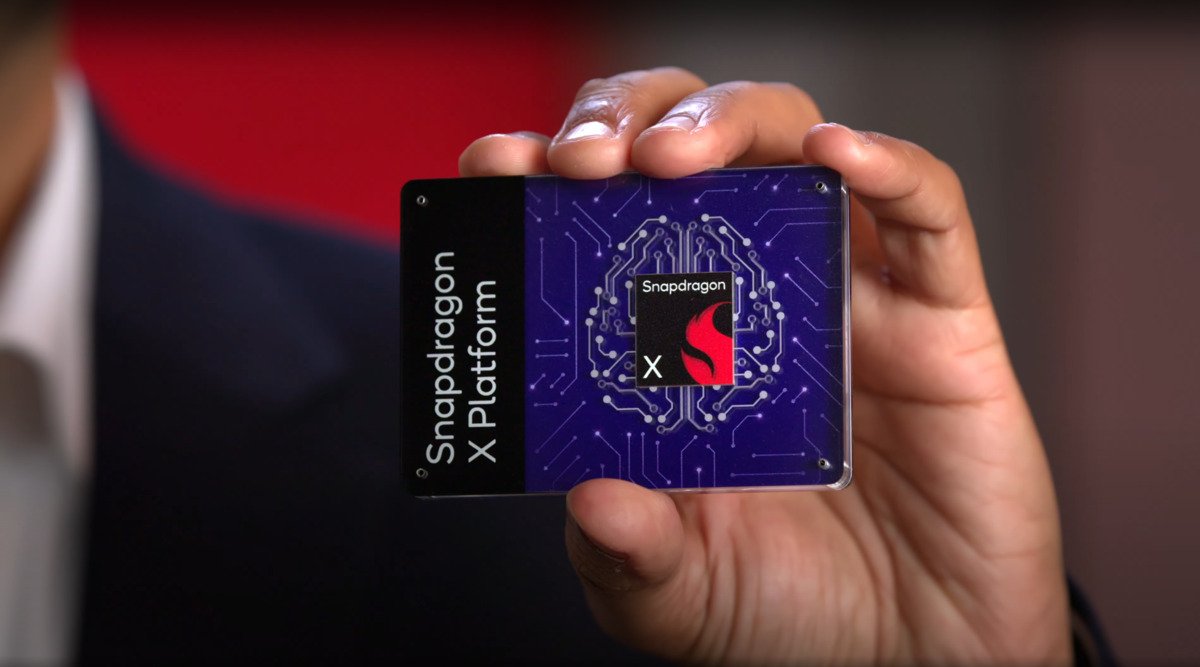
  • Qualcomm Unveils Snapdragon X Series for Affordable AI-Powered CPUs for Budget PCs at CES 2025

    Qualcomm Unveils Snapdragon X Series for Affordable AI-Powered CPUs for Budget PCs at CES 2025

    At CES 2025, Qualcomm introduced its Snapdragon X series CPUs, designed to bring advanced AI-powered computing to budget-friendly PCs. These processors aim to deliver strong performance and efficient AI capabilities at a price point that makes AI PCs accessible to more people.

    Snapdragon X Series: Key Features

    The Snapdragon X series is a new addition to Qualcomm’s computing platform, focusing on affordability without compromising on innovation:

    • Powerful Performance: Equipped with eight Oryon CPU cores, the Snapdragon X offers a peak clock speed of 3GHz, making it competitive with budget processors from Intel and AMD.
    • AI Capabilities: The integrated Hexagon NPU provides 45 TOPS (Trillions of Operations Per Second), enabling AI features like real-time translation, noise cancellation, and advanced video editing. These features, often found in high-end chips, are now available in budget PCs.
    • Battery Efficiency: Qualcomm claims the Snapdragon X offers up to two times longer battery life compared to its competitors while delivering 163% faster performance at the same power consumption levels.
    • Future-Proof Connectivity: Support for 5G, Wi-Fi 7, Bluetooth 5.4, and USB 4 Type-C ensures that devices powered by Snapdragon X are equipped for modern connectivity standards.
    • Affordable AI PCs: These CPUs will drive a new line of Copilot+ PCs starting at under $600, with laptops from brands like Dell, Lenovo, HP, Acer, and Asus expected to hit the market soon.

    Impact on the Market

    The Snapdragon X series could significantly disrupt the PC market, particularly in the budget segment:

    • Democratizing AI: Qualcomm is making AI technology accessible to more users by incorporating high-end NPU performance into affordable devices.
    • Challenging Competitors: This move puts pressure on Intel and AMD, which have yet to offer comparable AI performance in this price range. It may force them to innovate further in the budget segment.
    • More Consumer Choice: Buyers now have a wider selection of budget-friendly PCs with AI features, ideal for tasks like creative work, productivity, and personal use.

    Positive Industry and Consumer Response

    The tech community has reacted positively to the Snapdragon X announcement. Posts on X (formerly Twitter) highlight the impressive AI capabilities at a low cost, with many eager to see real-world performance once the first Copilot+ PCs are released. The chip’s potential for efficient multitasking and creative applications has generated buzz among tech enthusiasts.

    Looking Forward: What’s Next for Qualcomm?

    Qualcomm’s plans for the Snapdragon X series don’t stop here. The company has hinted at future developments, including potential “V2” and “V3” models. These could offer even more powerful or specialized CPUs, catering to a broader range of users and further solidifying Qualcomm’s presence in the budget computing market.

    With the Snapdragon X series, Qualcomm has not only redefined the possibilities for budget PCs but also opened the door to a future where AI-powered computing becomes a standard feature for all users.

    Links

    https://www.qualcomm.com/snapdragon/news/welcome-to-the-future-with-snapdragon-x-unveiled-at-ces-2025-

    https://www.qualcomm.com/products/mobile/snapdragon/laptops-and-tablets/snapdragon-x

  • Microsoft Releases Phi-4, an Open-Source Small Language Model That Is Now Available on Hugging Face.

    Microsoft Releases Phi-4, an Open-Source Small Language Model That Is Now Available on Hugging Face.

    Microsoft has made its AI model, Phi-4, free and open for everyone to use. This small language model (SLM), introduced in December 2024, is now available on the popular AI-sharing platform Hugging Face. It comes with an MIT license, meaning it can be used for academic research and business projects.

    What Makes Phi-4 Special?

    Phi-4 is a compact AI model with 14 billion parameters. It’s designed to handle challenging reasoning tasks, like solving math problems, and performs just as well as larger, more expensive models.

    Key Features of Phi-4

    1. Efficient Design: Phi-4 shows that smaller models can still perform at a high level without requiring lots of computing power. This makes it easier to use in a wide range of applications.
    2. Versatile Performance: Phi-4 has done better than larger models, such as Llama 3.3 (70B), in tasks like science questions, coding, and benchmarks like GPQA and MATH.
    3. High-Quality Data Training: Microsoft used top-quality synthetic and curated organic data to train the model. This makes Phi-4 accurate and reliable for solving complex problems.
    4. Free and Open-Source: By making Phi-4 open-source, Microsoft is encouraging innovation. Developers can modify and fine-tune it for specific uses, which opens the door to many creative possibilities.

    How to Access Phi-4

    Anyone can download Phi-4 from Hugging Face. The model weights and other resources are available for free, making it easy for developers and researchers to get started.

    Why This Release Matters

    The AI community has welcomed Microsoft’s decision. Posts on social media show excitement about Phi-4’s strong performance and its open-source availability. Many see it as a tool that could improve educational tools, business processes, and productivity apps.

    Microsoft’s Focus on Responsible AI

    Microsoft is also focused on making AI safe and ethical. The company says Phi-4 has gone through careful testing to ensure fairness, privacy, and reliability.

    What’s Next?

    Microsoft has big plans for its AI models. The company plans to create more small, efficient models for specialized tasks. This step not only supports innovation but also pushes other companies to think about open-sourcing their AI technology.

    To explore Phi-4 and its potential, visit Hugging Face today!

    Links:

    https://huggingface.co/microsoft/phi-4

  • Meet Omi: The $89 AI Gadget That Listens, Learns, and Might Read Your Mind

    Meet Omi: The $89 AI Gadget That Listens, Learns, and Might Read Your Mind

    At the CES 2025 event in Las Vegas, Based Hardware, a tech startup from San Francisco, introduced Omi, an affordable AI wearable designed to boost productivity and make interacting with technology easier. Priced at $89, Omi is not just another gadget—it’s a glimpse into the future, with plans to read brain activity in upcoming versions.

    What Makes Omi Unique?

    Omi has a sleek, minimalist look, resembling a mint from a Mentos pack. You can wear it as a necklace or attach it to your head with medical tape for a futuristic “brain interface” experience. The first version works with audio only, but in mid-2025, Based Hardware plans to release a brain-interface module. This upgrade will allow Omi to interpret signals from your brain, making it more intuitive to use.

    How Does Omi Work?

    The device uses advanced AI powered by GPT-4o to listen to your voice and respond without needing a wake word like “Hey Omi.” It can:

    • Take notes during meetings.
    • Create to-do lists.
    • Answer questions.
    • Provide personalized advice by remembering details about you.

    Omi’s battery lasts up to three days, making it a practical companion for everyday use.

    The upcoming brain-interface module will add a new layer of functionality. With a single electrode, Omi will try to read brain signals to understand when you’re interacting with it versus random thoughts. While this feature is still in development, it offers a sneak peek at how technology might evolve to be even more integrated into daily life.

    Privacy and Ethical Concerns

    A device that can potentially read thoughts raises understandable privacy concerns. To address this, founder Nik Shevchenko emphasized Omi’s open-source design. Users can choose where their data is stored, such as locally on their device, or see exactly where it’s sent. This approach aims to provide transparency and reduce fears of misuse.

    How Does Omi Compare to Other Gadgets?

    Omi isn’t trying to replace smartphones but instead works alongside them to enhance productivity. Unlike other AI wearables that overpromise and underdeliver, Omi focuses on complementing existing technology.

    The device also has an app store, allowing developers to create custom applications for Omi. This feature could turn it into a versatile platform for personal AI assistance.

    The Bigger Picture

    Devices that interact with thoughts aren’t new, but Omi’s focus on affordability and open-source ethics sets it apart. It has already generated buzz online, with some people excited about its potential and others raising concerns about ethics and practicality.

    Whether it’s summarizing your day, creating a to-do list, or offering a glimpse into a future of thought-controlled technology, Omi might be a game-changer.

    Links

    https://www.omi.me

    Demo Video:

  • Microsoft Announces $3 Billion Investment to Boost AI in India

    Microsoft Announces $3 Billion Investment to Boost AI in India

    In a major push for India’s growing artificial intelligence (AI) sector, Microsoft CEO Satya Nadella has revealed a $3 billion investment plan. Over the next two years, this funding will expand AI and cloud infrastructure across India, a key step to strengthen the country’s position as a global tech hub. The announcement was made during the Microsoft AI Tour event in Bengaluru, emphasizing Microsoft’s focus on fostering AI innovation in one of the fastest-growing digital markets in the world.

    Key Areas of Investment

    • Infrastructure Expansion
      Microsoft plans to build new data centers to enhance its Azure cloud and AI capabilities in India. This is part of a larger global initiative, following Microsoft’s recent $80 billion investment in AI infrastructure worldwide, set for 2025.
    • AI Skills Development
      As part of the second edition of the ADVANTA(I)GE India program, Microsoft aims to train 10 million people in AI skills by 2030. This initiative will help prepare India’s workforce for an AI-driven future, ensuring long-term technological competitiveness.
    • Partnerships and Startup Growth
      Microsoft has partnered with SaaSBoomi, a community for B2B startups, to promote entrepreneurship in smaller cities. This partnership aims to bring $1.5 billion in venture capital for AI and SaaS startups, boosting innovation beyond major tech hubs.

    Benefits for India

    • Boosting Innovation
      This investment will empower Indian startups, businesses, and government projects to use advanced AI technologies, driving innovation across industries.
    • Economic Growth
      The expansion is expected to create new jobs and encourage entrepreneurship, stimulating the broader economy.
    • Global AI Leadership
      With India already leading globally in AI skill adoption—showing 122% year-over-year growth compared to the global rate of 71%—this investment positions the country to become a key player in AI development.

    Community and Industry Reactions

    The announcement has sparked excitement in India’s tech community. On platforms like X (formerly Twitter), tech enthusiasts highlighted India’s rapid adoption of AI tools and its potential to shape the global AI landscape. Businesses in sectors like healthcare, finance, and education are particularly eager, anticipating improved services and operational efficiency from enhanced AI tools.

    Looking Forward

    Microsoft’s investment aligns with Prime Minister Narendra Modi’s vision of making India an AI-first nation. Beyond economic growth, this initiative will focus on:

    • Regional Development: Microsoft’s efforts to support smaller cities will spread tech-driven growth beyond hubs like Bengaluru and Hyderabad.
    • Sustainable AI: With innovations in energy-efficient data centers, Microsoft emphasizes environmentally responsible tech expansion.

    Strategic Implications

    This move places Microsoft in a strong position against competitors like Google and Amazon in India’s digital space. By focusing on partnerships, sustainability, and regional growth, Microsoft is not only accelerating India’s digital transformation but also reinforcing its role as a global leader in AI innovation.

    Links

    https://news.microsoft.com/en-in/microsoft-announces-us-3bn-investment-over-two-years-in-india-cloud-and-ai-infrastructure-to-accelerate-adoption-of-ai-skilling-and-innovation