Tag: CES 2025

  • VLC Media Player Introduces AI Subtitle and Translation Feature at CES 2025

    VLC Media Player Introduces AI Subtitle and Translation Feature at CES 2025

    At CES 2025, VLC Media Player, a household name in video playback, revealed a game-changing feature: AI-powered subtitle generation and translation that works entirely offline. Created by VideoLAN, the non-profit behind VLC, this innovation aims to make video content more accessible across different languages while maintaining user privacy.

    A Major Step for VLC

    Known for its ability to play almost any media format and for its open-source, free-to-use approach, VLC has achieved over 6 billion downloads. Now, the team has integrated artificial intelligence to enhance accessibility.

    Jean-Baptiste Kempf, president of VideoLAN, highlighted the privacy-first design of the new feature.

    “This technology operates entirely on your device, offline, without using the cloud. It’s about making media accessible while keeping your data private,” Kempf said during the CES demo.

    How It Works

    The AI-powered feature generates subtitles in real-time as you watch a video. It can also translate these subtitles into over 100 languages, including English, French, Hebrew, German, and Japanese, all within the VLC app.

    Using open-source AI models, the tool converts audio into text and displays it as subtitles. Originally developed as a plugin based on OpenAI’s Whisper, the feature has now been built directly into VLC’s software. This ensures all processing happens on your device, without requiring an internet connection.

    Making Videos Accessible for All

    This new feature breaks down language barriers, allowing users to enjoy content in their preferred language without needing pre-made subtitles or online tools. It’s especially helpful for regions with limited internet access, ensuring that educational, entertainment, and personal videos can reach more people worldwide.

    Privacy and Performance

    Since all subtitle processing happens locally, users don’t have to worry about data being sent to the cloud, addressing common privacy concerns. However, some wonder whether the feature will demand too much computing power from devices, especially older ones. VideoLAN has promised to share more information soon, including system requirements and performance details.

    Questions and Challenges

    While the feature has been widely praised, some are skeptical about the accuracy of AI-generated subtitles, especially for complex languages and regional dialects. Others worry it could impact jobs for professional translators.

    Despite these concerns, accessibility advocates and tech enthusiasts are optimistic about the potential of VLC’s new tool. Many see it as a step toward more inclusive media consumption and hope it inspires other platforms to prioritize accessibility.

    What’s Next?

    With this announcement, VLC has not only celebrated its download milestone but also cemented its position as a leader in multimedia technology. As we wait for more details about its release, this new feature could set a new standard for media players, emphasizing accessibility and privacy in the age of AI.

    Links

  • Qualcomm Unveils Snapdragon X Series for Affordable AI-Powered CPUs for Budget PCs at CES 2025

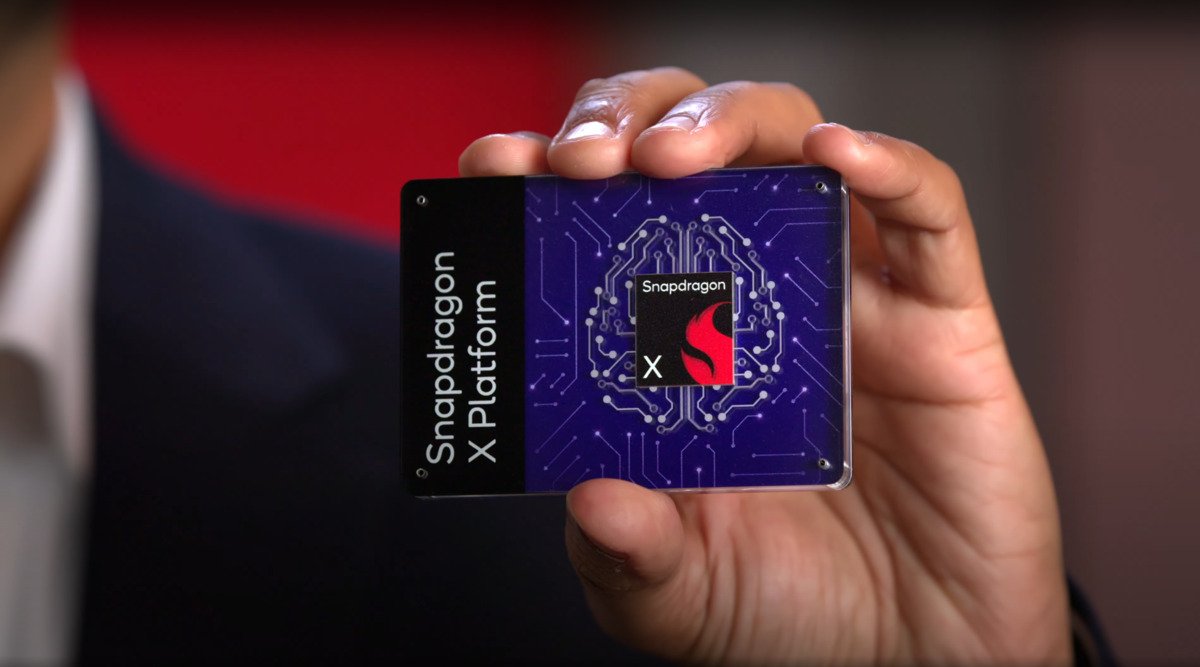
    Qualcomm Unveils Snapdragon X Series for Affordable AI-Powered CPUs for Budget PCs at CES 2025

    At CES 2025, Qualcomm introduced its Snapdragon X series CPUs, designed to bring advanced AI-powered computing to budget-friendly PCs. These processors aim to deliver strong performance and efficient AI capabilities at a price point that makes AI PCs accessible to more people.

    Snapdragon X Series: Key Features

    The Snapdragon X series is a new addition to Qualcomm’s computing platform, focusing on affordability without compromising on innovation:

    • Powerful Performance: Equipped with eight Oryon CPU cores, the Snapdragon X offers a peak clock speed of 3GHz, making it competitive with budget processors from Intel and AMD.
    • AI Capabilities: The integrated Hexagon NPU provides 45 TOPS (Trillions of Operations Per Second), enabling AI features like real-time translation, noise cancellation, and advanced video editing. These features, often found in high-end chips, are now available in budget PCs.
    • Battery Efficiency: Qualcomm claims the Snapdragon X offers up to two times longer battery life compared to its competitors while delivering 163% faster performance at the same power consumption levels.
    • Future-Proof Connectivity: Support for 5G, Wi-Fi 7, Bluetooth 5.4, and USB 4 Type-C ensures that devices powered by Snapdragon X are equipped for modern connectivity standards.
    • Affordable AI PCs: These CPUs will drive a new line of Copilot+ PCs starting at under $600, with laptops from brands like Dell, Lenovo, HP, Acer, and Asus expected to hit the market soon.

    Impact on the Market

    The Snapdragon X series could significantly disrupt the PC market, particularly in the budget segment:

    • Democratizing AI: Qualcomm is making AI technology accessible to more users by incorporating high-end NPU performance into affordable devices.
    • Challenging Competitors: This move puts pressure on Intel and AMD, which have yet to offer comparable AI performance in this price range. It may force them to innovate further in the budget segment.
    • More Consumer Choice: Buyers now have a wider selection of budget-friendly PCs with AI features, ideal for tasks like creative work, productivity, and personal use.

    Positive Industry and Consumer Response

    The tech community has reacted positively to the Snapdragon X announcement. Posts on X (formerly Twitter) highlight the impressive AI capabilities at a low cost, with many eager to see real-world performance once the first Copilot+ PCs are released. The chip’s potential for efficient multitasking and creative applications has generated buzz among tech enthusiasts.

    Looking Forward: What’s Next for Qualcomm?

    Qualcomm’s plans for the Snapdragon X series don’t stop here. The company has hinted at future developments, including potential “V2” and “V3” models. These could offer even more powerful or specialized CPUs, catering to a broader range of users and further solidifying Qualcomm’s presence in the budget computing market.

    With the Snapdragon X series, Qualcomm has not only redefined the possibilities for budget PCs but also opened the door to a future where AI-powered computing becomes a standard feature for all users.

    Links

    https://www.qualcomm.com/snapdragon/news/welcome-to-the-future-with-snapdragon-x-unveiled-at-ces-2025-

    https://www.qualcomm.com/products/mobile/snapdragon/laptops-and-tablets/snapdragon-x

  • Meet Omi: The $89 AI Gadget That Listens, Learns, and Might Read Your Mind

    Meet Omi: The $89 AI Gadget That Listens, Learns, and Might Read Your Mind

    At the CES 2025 event in Las Vegas, Based Hardware, a tech startup from San Francisco, introduced Omi, an affordable AI wearable designed to boost productivity and make interacting with technology easier. Priced at $89, Omi is not just another gadget—it’s a glimpse into the future, with plans to read brain activity in upcoming versions.

    What Makes Omi Unique?

    Omi has a sleek, minimalist look, resembling a mint from a Mentos pack. You can wear it as a necklace or attach it to your head with medical tape for a futuristic “brain interface” experience. The first version works with audio only, but in mid-2025, Based Hardware plans to release a brain-interface module. This upgrade will allow Omi to interpret signals from your brain, making it more intuitive to use.

    How Does Omi Work?

    The device uses advanced AI powered by GPT-4o to listen to your voice and respond without needing a wake word like “Hey Omi.” It can:

    • Take notes during meetings.
    • Create to-do lists.
    • Answer questions.
    • Provide personalized advice by remembering details about you.

    Omi’s battery lasts up to three days, making it a practical companion for everyday use.

    The upcoming brain-interface module will add a new layer of functionality. With a single electrode, Omi will try to read brain signals to understand when you’re interacting with it versus random thoughts. While this feature is still in development, it offers a sneak peek at how technology might evolve to be even more integrated into daily life.

    Privacy and Ethical Concerns

    A device that can potentially read thoughts raises understandable privacy concerns. To address this, founder Nik Shevchenko emphasized Omi’s open-source design. Users can choose where their data is stored, such as locally on their device, or see exactly where it’s sent. This approach aims to provide transparency and reduce fears of misuse.

    How Does Omi Compare to Other Gadgets?

    Omi isn’t trying to replace smartphones but instead works alongside them to enhance productivity. Unlike other AI wearables that overpromise and underdeliver, Omi focuses on complementing existing technology.

    The device also has an app store, allowing developers to create custom applications for Omi. This feature could turn it into a versatile platform for personal AI assistance.

    The Bigger Picture

    Devices that interact with thoughts aren’t new, but Omi’s focus on affordability and open-source ethics sets it apart. It has already generated buzz online, with some people excited about its potential and others raising concerns about ethics and practicality.

    Whether it’s summarizing your day, creating a to-do list, or offering a glimpse into a future of thought-controlled technology, Omi might be a game-changer.

    Links

    https://www.omi.me

    Demo Video:

  • Nvidia Unveils Open-Source Llama and Cosmos Nemotron LLM Model Families to Build AI Agents at CES 2025

    Nvidia Unveils Open-Source Llama and Cosmos Nemotron LLM Model Families to Build AI Agents at CES 2025

    At CES 2025, NVIDIA revealed the Nemotron model families, a groundbreaking step in artificial intelligence. These models include the open-source Llama Nemotron large language models (LLMs) and the Cosmos Nemotron vision language models (VLMs). Designed to boost AI agents’ abilities, these models are available as NVIDIA NIM microservices, making them easy to use on a variety of systems, from data centers to edge devices.

    What is the Nemotron Ecosystem?

    • NVIDIA NIM Microservices
      These microservices make it simple to add Nemotron models to different setups, ensuring high-performance AI capabilities with flexibility and scalability.
    • Llama Nemotron LLMs
      Based on the successful Llama architecture, these models come in three sizes: Nano, Super, and Ultra. Each size caters to specific needs, from low-latency tasks to high-accuracy applications. These LLMs are optimized for key AI tasks like generating human-like responses, coding, and solving complex math problems.
    • Cosmos Nemotron VLMs
      These vision language models combine image understanding with language processing, enabling AI agents to interpret and interact with visual data. This is useful for tasks like autonomous driving, medical analysis, and retail planning.
    • Scalable and Efficient Performance
      The Nemotron models use NVIDIA’s advanced training and optimization techniques to ensure they perform well and scale effectively across different hardware systems.

    Real-World Use Cases

    Major companies like SAP and ServiceNow are already using these models.

    • SAP is integrating them to improve AI-driven supply chain management.
    • ServiceNow aims to enhance its customer service AI agents for better user experiences.

    These early applications highlight how Nemotron models can automate complex tasks, improve decision-making, and streamline operations in industries like logistics, customer service, and healthcare.

    How It Works

    NVIDIA’s NeMo framework allows users to customize the Nemotron models for specific needs. For faster deployment, NVIDIA Blueprints offer ready-made solutions for building AI agents.

    Community Buzz and Open-Source Impact

    The Nemotron models have generated excitement across social platforms like X, where developers and AI enthusiasts are discussing their potential. NVIDIA’s decision to open-source the Llama Nemotron models encourages global collaboration, allowing developers to adapt and expand their capabilities for different industries.

    The Future of AI Agents

    NVIDIA’s Nemotron models pave the way for smarter, more capable AI agents that can handle complex tasks in real-world scenarios. With advancements in language and vision processing, these models could reshape industries and drive innovation in AI applications worldwide.

    Links

    https://build.nvidia.com/nvidia/llama-3_1-nemotron-70b-instruct

    https://build.nvidia.com/nvidia/cosmos-nemotron-34b

    https://huggingface.co/models?search=nemotron

    https://huggingface.co/nvidia/nemotron-3-8b-base-4k

    https://huggingface.co/nvidia/Llama-3.1-Nemotron-70B-Instruct-HF

    https://huggingface.co/nvidia/Llama-3.1-Nemotron-70B-Reward

  • Samsung Unveils Vision AI to Redefine Smart TVs at CES 2025

    Samsung Unveils Vision AI to Redefine Smart TVs at CES 2025

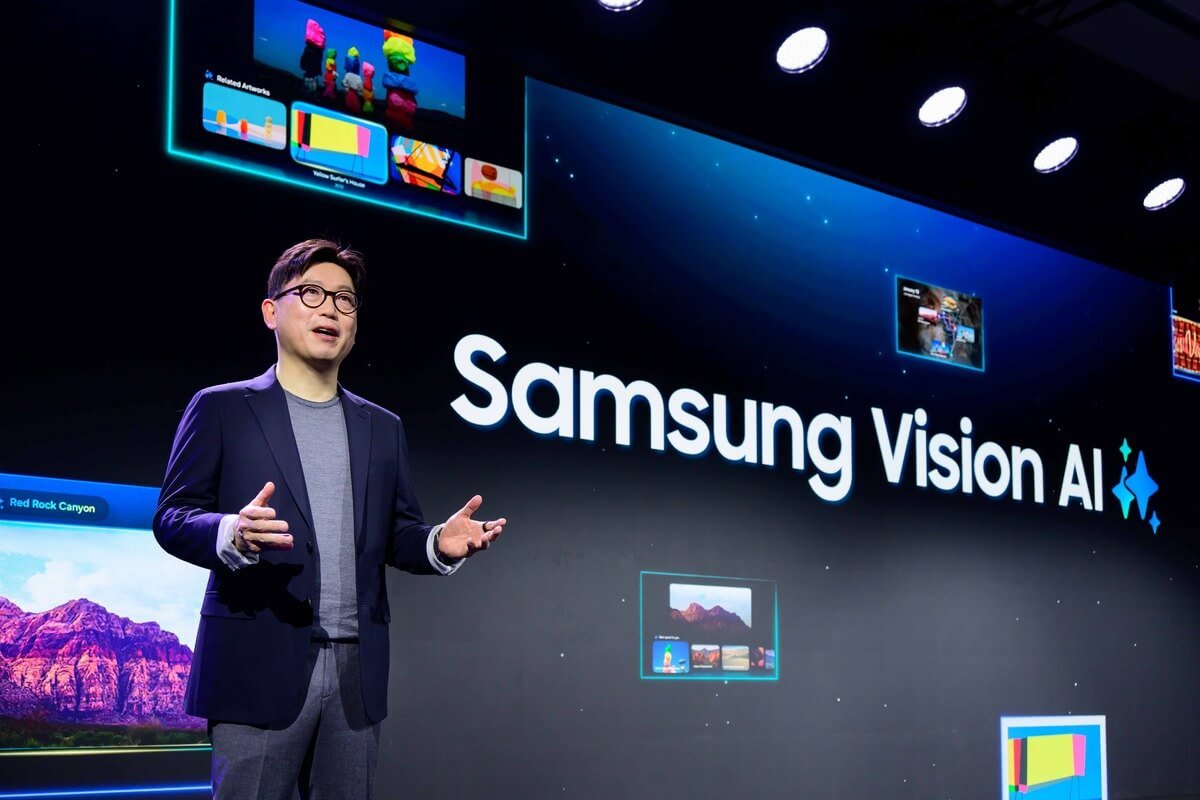
    At CES 2025, Samsung Electronics introduced Vision AI, a groundbreaking feature for its 2025 smart TV lineup. This innovation transforms TVs from simple entertainment devices into interactive, intelligent companions, enhancing how users engage with their screens.

    What Is Vision AI?

    Vision AI is an on-screen AI system that improves Samsung’s smart TVs, monitors, and smart home appliances with screens. Here’s what it offers:

    • Personalized Experience: Vision AI can translate subtitles in real-time, instantly search for content by recognizing what’s on the screen, and even create custom wallpapers using AI.
    • Wide Applications: It will be available in Samsung’s 2025 Neo QLED, OLED, QLED, and The Frame TVs, making cutting-edge AI accessible across different models.
    • AI-Powered Features:
      • Live Translate: Provides real-time subtitle translations in up to seven languages for international shows and movies.
      • Click to Search: Lets users click on any part of the screen to get more information or related content without interrupting their viewing.
      • Generative Wallpaper: Turns idle TVs into artistic displays by creating personalized wallpapers.
      • Smart Home Hub: Monitors pets or family members, sends security alerts, and adjusts settings like lighting based on activity in the home.

    Collaborations and Partnerships

    Samsung is teaming up with major tech players to expand Vision AI’s capabilities:

    • Microsoft: Bringing Microsoft Copilot to Samsung TVs and monitors for personalized content recommendations and advanced AI tools.
    • Google: Collaborating to integrate Vision AI into a broader ecosystem for seamless smart home functionality.

    Availability and Future Plans

    Vision AI was first revealed at Samsung’s “First Look” event before CES 2025. It will be a central feature of Samsung’s 2025 TV lineup. Pricing and availability details are expected closer to the launch, with updates available on Samsung’s official website. Early sign-ups might even enjoy preorder perks.

    Looking forward, Vision AI aims to make TVs not just for entertainment but also for managing smart homes, learning, and cultural experiences. In regions like India, where smart home demand is rising, Vision AI’s ability to break language barriers and improve home connectivity is expected to be especially popular.

    Market and Industry Impact

    The announcement has sparked excitement among tech enthusiasts and analysts. Posts on X (formerly Twitter) praise Vision AI’s potential to change how people use TVs, with features that focus on enhancing convenience without sacrificing privacy. Samsung’s Knox security ensures user data remains safe, adding trust to its advanced AI technology.

    Vision AI represents Samsung’s bold step towards blending entertainment, AI, and smart home innovation, setting a new standard for what smart TVs can do.

    Links

    https://news.samsung.com/global/samsung-electronics-unveils-samsung-vision-ai-and-new-innovations-at-first-look-2025-delivering-personalized-ai-powered-screens-to-enrich-everyday-life

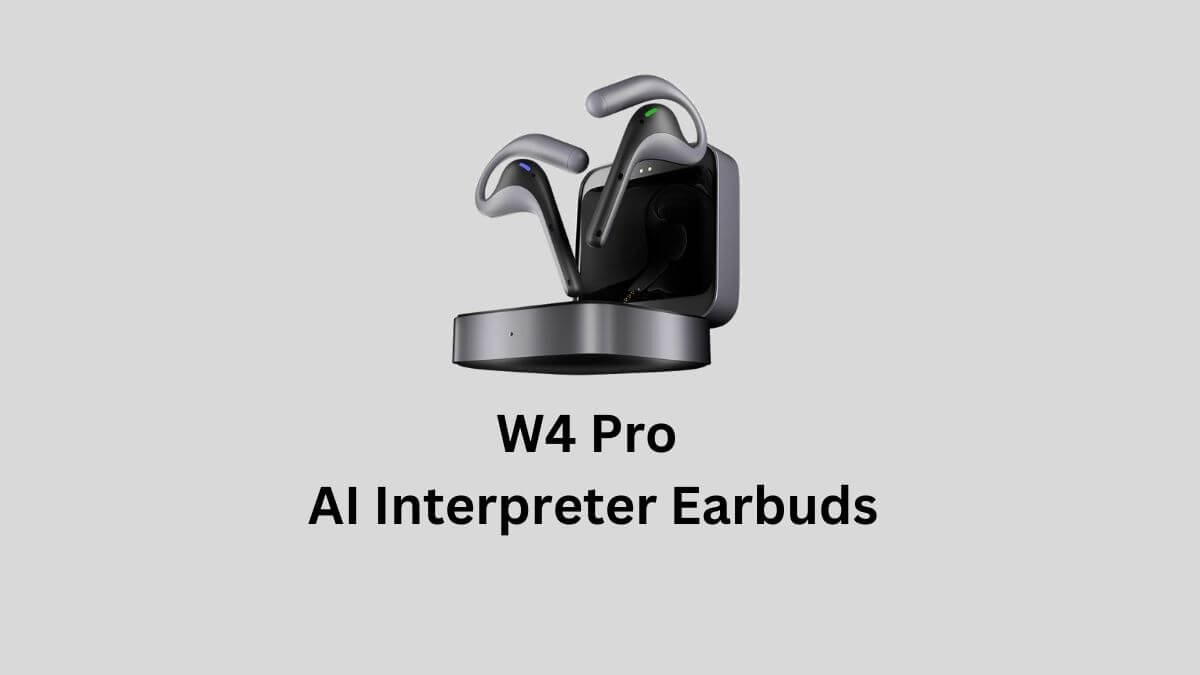
  • Timekettle Launched W4 Pro AI Interpreter Earbuds with Real-Time Call Translation

    Timekettle Launched W4 Pro AI Interpreter Earbuds with Real-Time Call Translation

    At CES 2025, Timekettle, a leading name in AI translation, launched its W4 Pro AI Interpreter Earbuds, an exciting step forward in breaking language barriers. These earbuds introduce real-time translation during voice and video calls, making cross-language communication seamless and accessible.

    Key Features of the W4 Pro

    • Real-Time Translation on Calls: The earbuds let users speak in their language during phone and video calls, with instant translations for the other party. This works on major platforms like WhatsApp, Zoom, and Teams—no extra equipment or apps needed for the other person.
    • Advanced AI Technology: Powered by the new Babel OS, the W4 Pro translates within 3-5 seconds. Features like AI Semantic Segmentation speed up sentence processing, and AI Memo provides summaries of conversations after they end.
    • Wide Language Support: The earbuds can handle translations for 40 languages and recognize 93 accents, offering unmatched versatility for global users.
    • Comfortable, Smart Design: With an open-ear design and a 3-microphone array, the earbuds ensure clear sound even in noisy settings, making them ideal for business, travel, or long usage.
    • Multifunctionality: In addition to translation, the earbuds play music, make calls, and support offline translation for 13 languages. Full features for all 40 languages require an online connection via the Timekettle app.

    Pricing and Availability

    The W4 Pro AI Interpreter Earbuds are priced at $449 and became available on January 7, 2025. They can be purchased from Timekettle’s website and major retailers like Amazon. High demand post-launch has slightly increased shipping times.

    Industry Impact and User Feedback

    These earbuds have the potential to revolutionize global communication by providing instant, accurate translations in real-time. Whether for business meetings, travel, or education, the W4 Pro eliminates language barriers that previously slowed interactions.

    Early reviews have been highly positive, with users praising the translation accuracy, ease of setup, and the privacy of the audio (translations are only heard by the user). Many users also appreciate the app’s intuitive interface and the additional functionalities of the earbuds.

    Looking Ahead

    Timekettle CEO Leal Tian announced exciting plans for the future, including adding personalized lexicons for specific industries and enhancing AI response speeds. The company also aims to expand offline translation capabilities to support more languages, making the W4 Pro even more versatile for users on the go.

    With these innovations, the W4 Pro AI Interpreter Earbuds could become a game-changer in global communication, simplifying conversations and bringing people closer than ever before.

    Links

    https://www.timekettle.co/products/w4-pro-ai-interpreter-earbuds