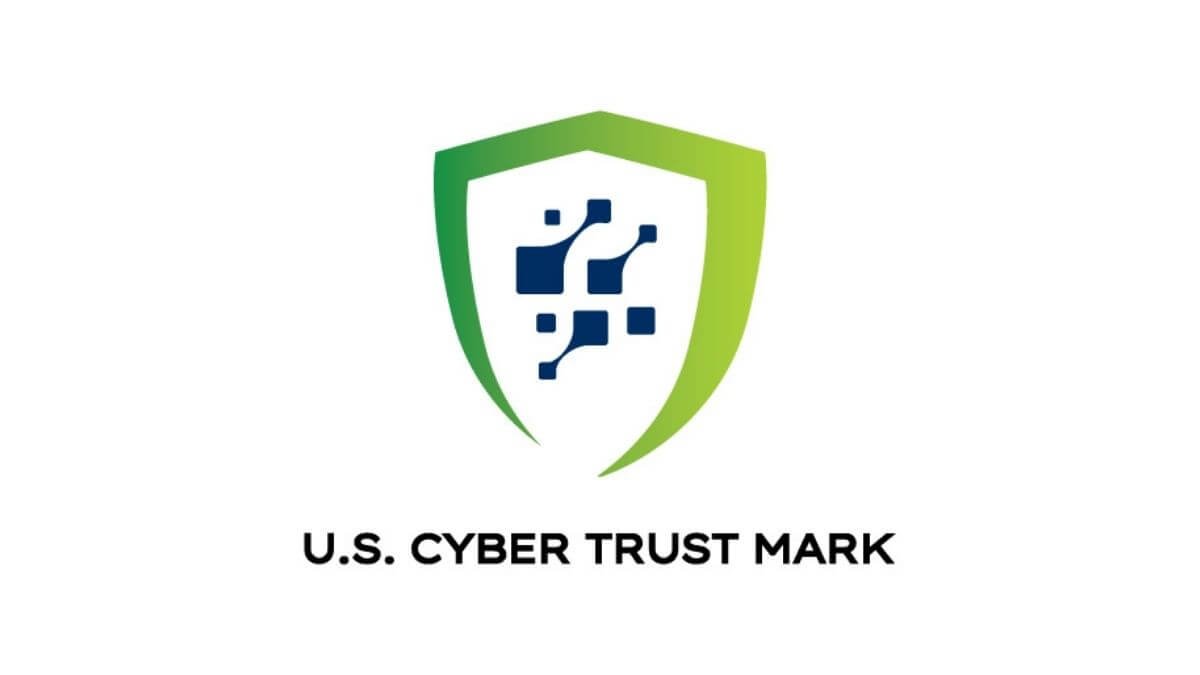
In an important step to improve consumer trust in the safety of smart devices, the Federal Communications Commission (FCC) has introduced the U.S. Cyber Trust Mark. This initiative aims to offer a clear and easily recognizable symbol that shows Internet of Things (IoT) devices meet high cybersecurity standards, helping protect consumers from online threats.
What is the U.S. Cyber Trust Mark?
The U.S. Cyber Trust Mark is a safety label designed for consumer IoT products, similar to the Energy Star logo for energy efficiency. This new mark indicates that a device has undergone rigorous testing to meet cybersecurity standards. The program was officially announced in January 2025 after a series of discussions and proposals that started in 2023. It addresses the growing need to secure the rapidly expanding world of connected devices.
How Does It Work?
To earn the Cyber Trust Mark, manufacturers must have their IoT products tested by accredited labs based on standards set by the National Institute of Standards and Technology (NIST). These standards require strong, unique default passwords, data protection, automatic software updates, and detection of security incidents. Products that pass these tests are allowed to display the Cyber Trust Mark logo along with a QR code. Consumers can scan the QR code to access detailed information about the device’s security, including its support duration and update policies.
Scope and Participation
The Cyber Trust Mark applies initially to consumer IoT devices such as smart home appliances (e.g., refrigerators, televisions), security cameras, and fitness trackers. However, it does not cover enterprise or industrial devices, nor does it apply to some foreign-made communications equipment deemed a security risk. While participation in the program is voluntary, major companies like Amazon, Best Buy, Google, LG, and Samsung have shown support, suggesting that many consumer products will adopt this label.
Impact on Consumers and Manufacturers
For consumers, the Cyber Trust Mark provides a simple, visible way to choose devices that have been tested for security, making it easier to avoid potential cyber threats like data breaches or botnet attacks. This mark helps consumers feel more confident about the devices they purchase, and also educates them about the importance of cybersecurity.
For manufacturers, this program encourages the practice of designing products with security in mind from the start. It may become a competitive advantage, as products with the Cyber Trust Mark may stand out in a crowded market. However, it also means manufacturers must continuously ensure that their products meet security standards, even as they evolve.
Looking Ahead
The FCC plans to collaborate internationally to recognize similar cybersecurity labeling efforts around the world, which could lead to wider adoption of these practices globally. Additionally, the FCC is seeking public input on ways to improve the program, including possible requirements for disclosing the origin of software or the location of data servers, addressing concerns about national security and data privacy.